
The railway’s arrival in Kashmir was never simply about trains. For decades, it was about overcoming geography.
Now that the long-awaited rail connection with the rest of India is operational, the more important question is what comes next. The Centre’s latest plans suggest Jammu and Kashmir is entering a second phase of railway development — one in which the objective is not merely to connect Kashmir, but to build a network capable of changing how people, goods and opportunities move across the region.
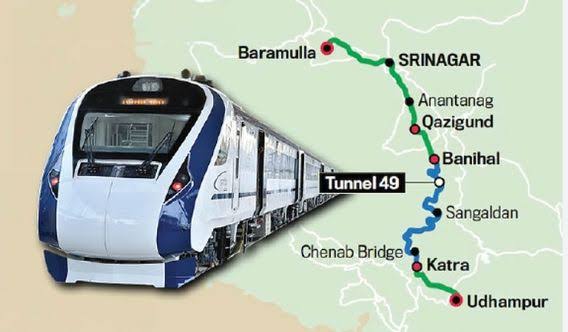
Railway Minister Ashwini Vaishnaw told Parliament that the 272-kilometre Udhampur-Srinagar-Baramulla Rail Link has provided year-round connectivity to Kashmir after decades of construction through difficult Himalayan terrain.
That achievement deserves recognition.
But infrastructure should ultimately be judged not by its engineering spectacle, but by the opportunities it creates.
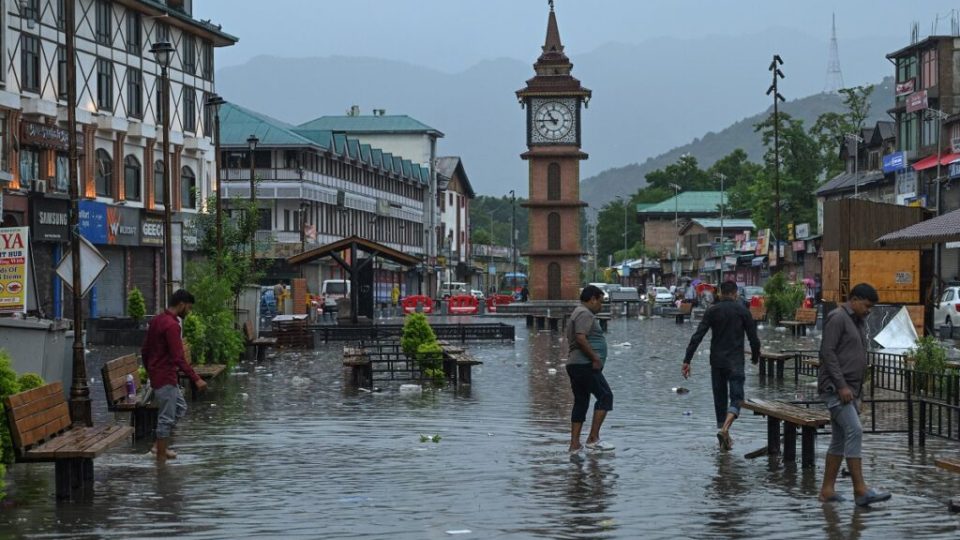
The USBRL has begun reducing one of Kashmir’s most persistent disadvantages: dependence on a vulnerable road corridor. Landslides, shooting stones, snow and heavy rainfall have repeatedly disrupted the Jammu-Srinagar highway, affecting passengers and trucks carrying essential goods and horticultural produce.
Rail offers a degree of reliability that roads have struggled to provide.
The government says the railway is already helping farmers, artisans and small businesses reach wider markets. Kashmir’s apples, dry fruits, pashmina and handicrafts can now move more efficiently toward consumers elsewhere in India.
But connectivity alone does not create prosperity. It creates the possibility of prosperity.
The proposed 190-kilometre Jammu-Reasi-Poonch railway line is therefore particularly significant. Fresh surveys have been announced for the project, which would extend rail connectivity into border districts and improve access to areas historically dependent on roads.
Surveys are also underway for an additional line between Jammu and Katra, while a detailed project report has been prepared for a third line between Jalandhar Cantonment and Jammu Tawi.
This suggests that the government is beginning to think of railway infrastructure as a network rather than a single corridor.
That is the right approach.
The economic value of rail increases when it connects with roads, markets and logistics centres.
The Gati Shakti Multi-Modal Cargo Terminal commissioned in Samba is an important part of that picture. In-principle approvals for similar terminals in Kathua, Jammu and Anantnag could help producers connect more efficiently with national supply chains.
For Jammu and Kashmir, this may eventually matter as much as passenger trains.
A farmer does not necessarily need another express service. He needs produce to reach the market quickly.
An artisan needs buyers.
A manufacturer needs predictable freight movement.
A tourism operator needs visitors to arrive reliably.
Rail can serve all four.
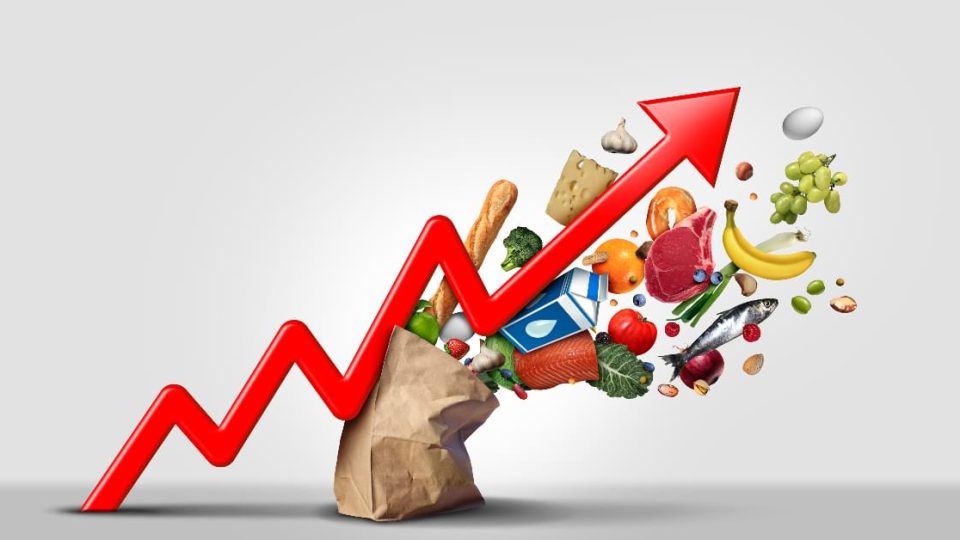
The opportunity is especially important for horticulture. Kashmir’s apple economy has repeatedly suffered when highway closures trap trucks for days. Produce is perishable, and every lost day reduces quality and value.
A dependable freight system could reduce that vulnerability.
Tourism offers another immediate opportunity.
The government expects the railway to reduce travel time between Katra and Srinagar to about three hours. That could change the geography of tourism.
A visitor arriving in Jammu could potentially reach the Valley much more quickly and reliably than before. The benefits could spread beyond Srinagar to destinations across the region.
But infrastructure must grow alongside transport capacity. Roads connecting stations to tourist destinations must be adequate, public transport reliable and accommodation capable of absorbing increased visitor numbers.
Otherwise, trains may simply move congestion from one place to another.
The engineering achievements of the USBRL are extraordinary. The Chenab railway bridge, rising 359 metres above the riverbed, has become an international symbol of what can be built in difficult terrain. The Anji Khad cable-stayed bridge represents another major engineering achievement.
But Jammu and Kashmir now needs to move beyond celebrating engineering.
The next challenge is economic.
How can the railway connect local producers with national markets? How can stations become commercial and transport hubs? How can young people in remote districts benefit from the activity generated by better connectivity?
Those questions deserve as much attention as construction schedules.
The government has also highlighted station redevelopment under the Amrit Bharat Station Scheme. Budgam, Jammu Tawi, Martyr Captain Tushar Mahajan and Shri Mata Vaishno Devi Katra stations are being upgraded.
Jammu Tawi is receiving additional platforms, parking, electrical infrastructure, foot overbridges and an air concourse. Budgam is also seeing improvements to parking, approach roads, passenger facilities and its foot overbridge.
These investments matter because the station is the traveller’s first experience of the railway.
Safety is equally important.
The broad-gauge railway network in Jammu and Kashmir has been electrified, while signalling and interlocking systems have been upgraded at several stations. Kavach, India’s indigenous train-protection system, has been sanctioned for about 401 route kilometres across important sections.
As traffic increases, safety systems must expand at the same pace.
The Centre says four pairs of Vande Bharat trains now connect Jammu and Kashmir with destinations including Srinagar, Amritsar and New Delhi. A Katra-Budgam Express has also been approved, while three long-distance trains have been extended to Udhampur.
The scale of the network is already substantial: Jammu Tawi is served by 114 train services, Udhampur by 58, Katra by 46, Budgam by 19 and Srinagar by 16.
The next phase should be guided by economic priorities, demand and regional balance.
Not every project should be judged solely by passenger numbers. Some lines serve strategic purposes; others unlock economic potential or connect communities that have historically remained isolated.
The proposed Jammu-Reasi-Poonch line falls into that broader category.
But ambition must be matched by realism.
The government has correctly noted that timelines will depend on land acquisition, statutory clearances, utility relocation, consultations and difficult weather conditions.
Jammu and Kashmir’s terrain cannot be treated like an ordinary construction environment. Delays are inevitable. What matters is transparency and consistent execution.
The railway has already changed Kashmir’s relationship with the rest of India.
The next challenge is to ensure that it changes the region’s internal economic geography as well.
The success of railway expansion will not ultimately be measured by kilometres of track or the number of bridges built.
It will be measured by whether a farmer reaches a better market, an artisan finds new customers, a young person gains access to opportunities and a visitor can travel without fearing that one landslide will bring the journey to a halt.
The railway has reached Kashmir.
Now it must reach its full economic potential.
About the Author
Moien Darial writes with the precision of an analyst and the sensitivity of a storyteller, exploring global economic shifts and emerging technologies.