
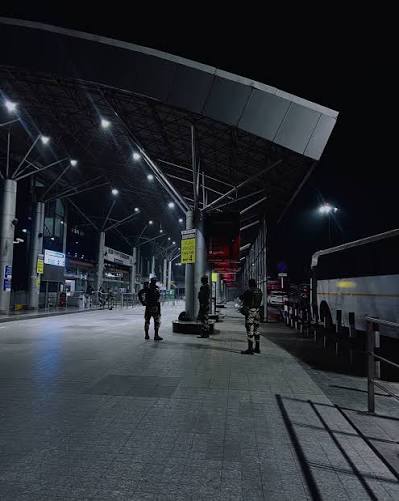
Srinagar International Airport will resume extended operating hours from October 25, offering relief to travellers and the tourism industry after seven months of runway-related restrictions. The return of late-evening flights comes as Kashmir prepares for winter, when dependable air connectivity is especially important for residents, businesses and visitors.
The restoration could improve travel flexibility and support tourism for passengers.
Airport officials said restrictions imposed in April during runway repairs had been withdrawn, allowing airlines to plan services beyond the previous 5 p.m. cutoff. The Winter Schedule 2026 takes effect on October 25, and airlines are filing slots for late-evening operations.
The lifting of restrictions does not guarantee an immediate increase in flight frequency. Airlines will determine schedules according to demand, available slots and operational requirements, while winter weather may affect services.
For months, flight operations at Srinagar were restricted to between 8 a.m. and 5 p.m. Daily arrivals fell to around 25-30 from approximately 50 before the runway-related curbs.
The reduced operating window limited airlines’ flexibility and narrowed passenger options. Travellers had fewer choices when arranging onward journeys, while tourism operators faced constraints coordinating arrivals, departures and accommodation.
Extended hours should allow airlines to distribute services across a longer operating day. They could make travel more convenient for passengers who prefer evening departures or need flexibility when connecting with flights from other cities.
Passengers should not assume every airline will immediately introduce evening services. They have been advised to confirm flight timings and status with their airlines before travelling.
Winter brings challenges to Kashmir’s transport network, making air services important when weather disrupts road travel.
For residents, additional flight options can make journeys for work, education, medical needs and family commitments easier to plan. For tourists, flexible schedules can improve the travel experience and make short visits to the Valley more practical.
The tourism industry could benefit from a longer operating window. Hotels, travel agencies, transport operators and other service providers depend on predictable arrivals to coordinate bookings and manage operations.
Kashmir Chamber of Commerce and Industry President Javid Ahmad Tenga welcomed the withdrawal of restrictions, saying longer operating hours would give tourists and residents more options when planning journeys.
Yet benefits will depend on how consistently airlines operate scheduled services. Winter visibility, poor weather and other requirements can affect flights even after formal restrictions are lifted. The challenge is to make the additional capacity useful and reliable.
The resumption comes against a difficult backdrop for Kashmir’s tourism sector. Flight movements at Srinagar reached around 70 a day in previous years, but services declined following a sharp fall in tourist arrivals after the Pahalgam attack last year. Runway repairs further constrained operations.
Restoring operating hours removes one obstacle to recovery, but cannot independently reverse declining visitor numbers. Tourism depends on travellers’ confidence, affordability, accommodation, transport and the overall destination experience. Better schedules can help, but must be accompanied by efforts to reassure visitors and strengthen the sector.
Air connectivity matters beyond tourism. Businesses rely on dependable links for meetings, trade, professional travel and the movement of people. Better scheduling can support commercial activity and improve Kashmir’s connection with major economic centres.
Scrapping a proposed two-week airport closure in October earlier this year had eased concerns among travellers. The return of extended hours provides another positive signal, although the impact will become clearer once winter operations are underway.
The resumption also highlights the need to strengthen airport infrastructure. An expansion plan, including an enlarged terminal and improved passenger facilities, is in the pipeline. If implemented effectively, it could accommodate growth, ease congestion and improve the passenger experience.
Planning should account for peak tourist seasons and winter’s operational challenges. Efficient passenger handling, timely disruption updates and coordination between airlines and airport authorities will remain essential.
The airport’s performance should be assessed through flight availability, punctuality, passenger convenience and safe operations under changing weather conditions.
The return of extended hours is welcome after months of restrictions. It gives airlines greater scheduling flexibility and offers passengers more choice when Kashmir needs dependable connections with the rest of the country.
But the real test begins on October 25. If airlines translate the expanded operating window into useful services and airport authorities maintain clear communication, the change could boost winter travel.
For Kashmir, where tourism and everyday mobility depend heavily on air links, restoring the airport’s clock is an important beginning. Sustained connectivity will require reliable operations, stronger infrastructure and renewed confidence in the Valley as a destination.
Evening flights can reopen travel options; consistent connectivity will determine how far that opportunity carries Kashmir.