
Kashmir Impulse Desk
Srinagar, Oct 12
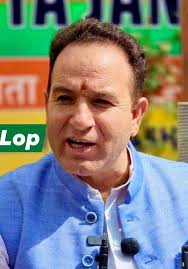
Leader of Opposition (LOP) in Jammu and Kashmir Assembly Sunil Sharma on Monday accused the Congress and the National Conference (NC) of benefiting from alleged rigging in the 1987 assembly elections, challenging the opposition’s current campaign against alleged electoral irregularities.
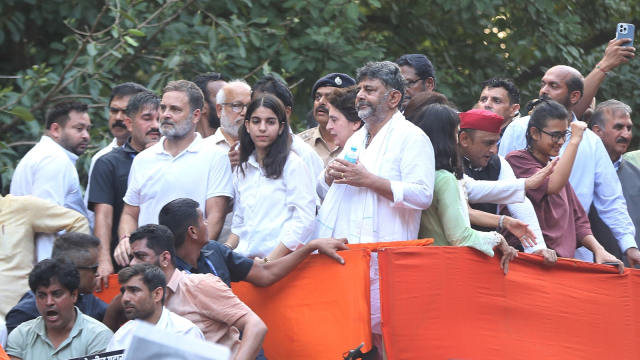
Sharma made the remarks in Srinagar while criticising the INDIA bloc’s protests against Chief Election Commissioner Gyanesh Kumar and the Special Intensive Revision of electoral rolls.
“If this allegation applies to anyone, then it applies to the rigging of 1987,” Sharma said, describing the election as a major example of alleged electoral malpractice.
He accused the Congress of stealing votes in Jammu and Kashmir and said the Abdullah family should answer questions about the conduct of the polls.
The Congress and NC had contested the 1987 election in an alliance, which won the polls.
Sharma also targeted Chief Minister Omar Abdullah over his participation in the opposition campaign, citing his earlier positive assessment of the 2024 assembly elections.
He questioned why Abdullah was now raising concerns about electoral transparency and the use of electronic voting machines, arguing that he should resign on moral grounds if he believed the election had been compromised.
The BJP leader criticised street demonstrations, saying parties should seek public support through democratic means without disrupting daily life.
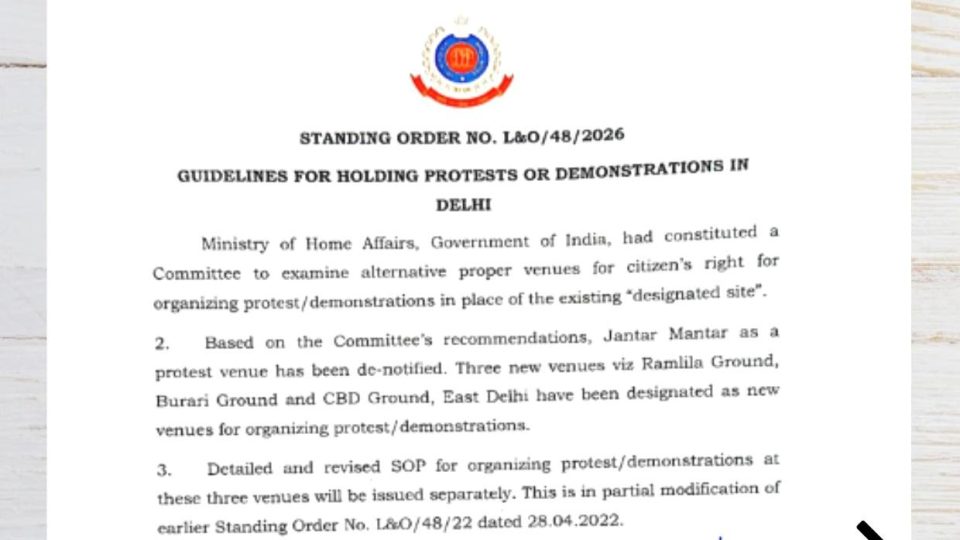
He said protests should not block roads or affect access to schools, hospitals and businesses, and suggested that opposition parties use designated venues for demonstrations.
Sharma also criticised Congress leader Rahul Gandhi over his reported interaction with a woman police officer during the protests.
On the Uniform Civil Code (UCC), Sharma said it would be implemented in Jammu and Kashmir along with the rest of the country, rejecting Abdullah’s reported opposition to its introduction in the region.
The 1987 Jammu and Kashmir election remains a contentious episode in the region’s political history, with allegations of malpractice frequently cited in accounts of the developments preceding the rise of armed militancy.