
There is a particular kind of tragedy in becoming seriously ill while trying to become healthier.
Across Kashmir, doctors are increasingly seeing patients – including children – arrive with jaundice, severe liver injury and, in some cases, acute liver failure. The troubling part is not simply the severity of the illness. It is what appears to have preceded it: remedies sold as herbal, natural, traditional or harmless.
The belief that something is safe because it comes from a plant is an old one. It is also a dangerous one.
Doctors at the Department of Gastroenterology at GMC Srinagar raised the alarm at the end of 2024, describing an alarming pattern of acute liver failure among young, otherwise healthy people. Some patients required intensive care and transplant evaluation. The department noted that the incidence among young patients appeared to be “more than what is written in medical literature.”
One common thread was the use of complementary and alternative medicine.
Some had taken these preparations to treat an illness. Others had consumed them as a tonic, supplement or so-called detox. The distinction may seem important to a consumer. To an injured liver, it is not.
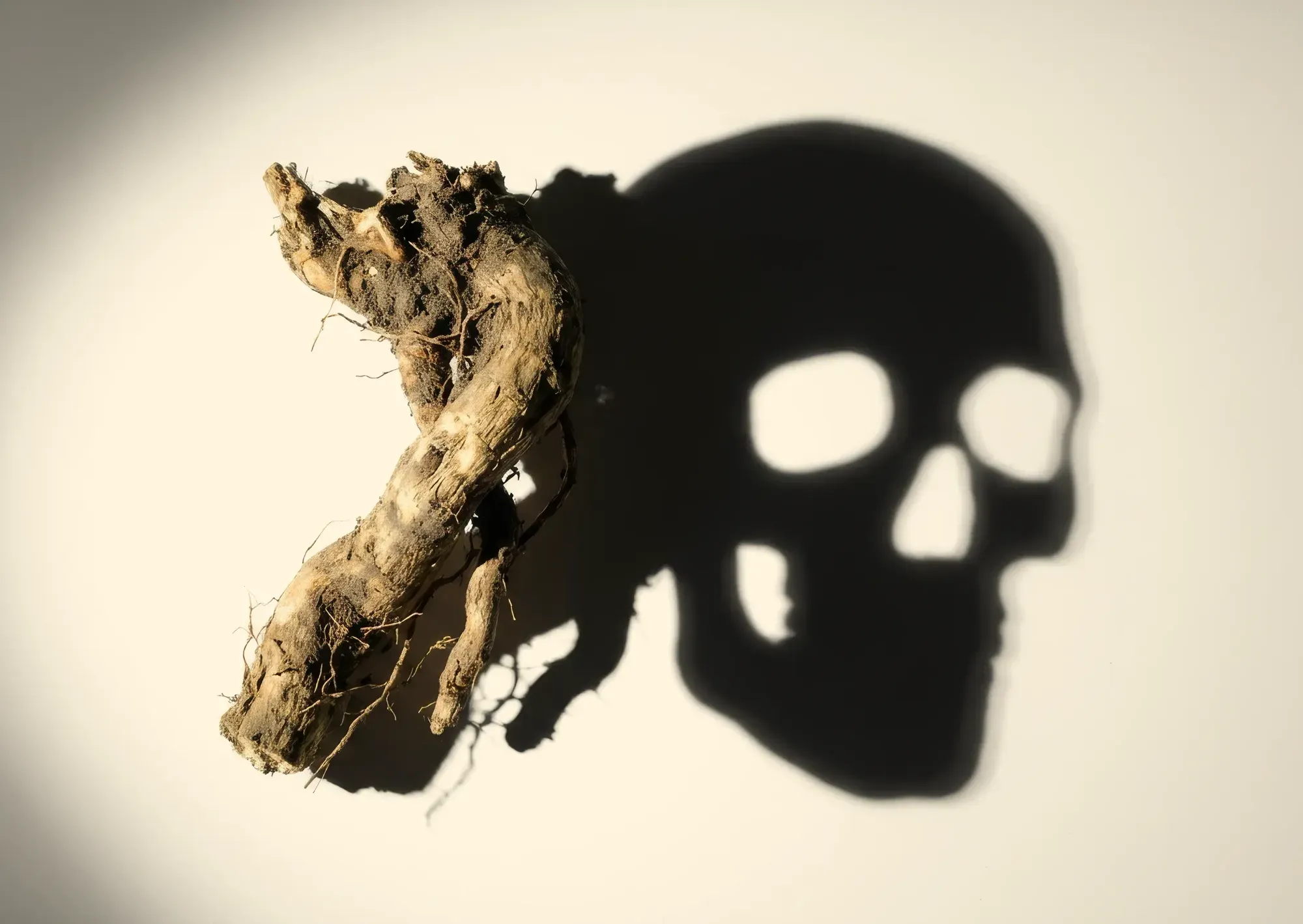
The condition has a name: herbal-induced liver injury, or HILI. It is becoming an increasingly important medical concern precisely because the contents of many products marketed as herbal or traditional may not be as simple as their labels suggest.
The problem is not traditional medicine itself. Nor is it an argument against every herb used in Ayurveda or other systems of medicine.
The problem is the absence of reliable supervision, testing and certification in a market where products can be prepared, sold and recommended outside the safeguards that patients reasonably assume exist.
Recent research should make that complacency harder to defend.
In a study published in February 2026 in Frontiers in Gastroenterology, Dr Cyriac Abby Philips and his team analysed 386 alternative medicinal products implicated in liver injury among 91 patients. The study found contamination involving heavy metals, undisclosed pharmaceutical drugs and animal-derived ingredients in products presented as alternative medicines.
Nearly 40 percent of the patients developed acute-on-chronic liver failure, according to the study. Cadmium contamination was associated with some of the most severe outcomes.
The products implicated included preparations containing ginger, Harad, Baobarang, long pepper and baheda – substances that many people would ordinarily regard as familiar and therefore safe.
That assumption is precisely what needs to change.
Other research points in the same direction. A case series and literature review published in BMC Complementary Medicine and Therapies found significant overlap between Ayurvedic compounds associated with liver injury and ingredients in Traditional Chinese Medicine known to be hepatotoxic.
Giloy, widely promoted as an “immunity booster,” has also been flagged in reports of liver injury.
A 2026 review in the Egyptian Journal of Internal Medicine examined global reports of liver injury associated with ashwagandha. The herb’s popularity has grown rapidly, but the review linked its use to cases of significant hepatotoxicity, including illness severe enough to require hospitalisation.
None of this means that every person who takes an herbal preparation will suffer liver damage. It means something more basic: “natural” is not a synonym for “risk-free.”
The liver is particularly vulnerable because it is the body’s principal chemical processing plant. Substances that enter the bloodstream eventually pass through it. When a preparation contains an undisclosed drug, contaminant, heavy metal, or hepatotoxic compound, the liver may become the place where the hidden cost is paid.
And unlike a bottle of medicine prescribed by a doctor, some unregulated remedies may offer little reliable information about what is actually inside.
That is where faith becomes dangerous.
In Kashmir, traditional medicine occupies a powerful cultural space. People turn to remedies recommended by relatives, neighbours, informal practitioners and sellers because generations have done so. A bottle labelled “herbal” can carry an aura of trust that a conventional medicine does not.
But trust cannot substitute for evidence.
Modern medicine itself has tools for confronting uncertainty. The Council for International Organizations of Medical Sciences, or CIOMS, causality assessment scale is used to help doctors determine whether a particular drug or herbal product is responsible for liver injury. Such tools matter because identifying the cause can be the difference between removing a harmful substance and allowing the damage to continue.
For Kashmir, the response should begin with a simple principle: patients should know what they are putting into their bodies.
That requires stronger oversight of herbal and alternative products, better laboratory testing, accurate labelling and a system capable of tracing products when they are suspected of causing harm. Doctors should routinely ask patients with unexplained liver injury about herbal medicines, supplements and traditional preparations.
Consumers, too, need to become more sceptical of the language of wellness.
A “detox” is not automatically benign. A “tonic” is not necessarily nourishing. An “immunity booster” is not necessarily safe.
And a remedy being traditional does not make its modern preparation immune to contamination, adulteration or toxicity.
The most unsettling detail in Kashmir’s experience may be the age of some of the patients. When a nine-year-old develops severe liver injury after taking something assumed to be harmless, the issue can no longer be dismissed as a matter of personal preference.
It becomes a question of public health.
There is room for tradition in medicine. But tradition deserves something better than blind faith. It deserves testing, accountability, and evidence.
The choice should never be between culture and science.
It should be between remedies that can withstand scrutiny and those that cannot.
About the Author
Syed Sameer Ahmad Nazki is a filmmaker skilled in editing and videography, with an interest in visual storytelling and sports.