
Kashmir Impulse Desk
Srinagar, Sep 22
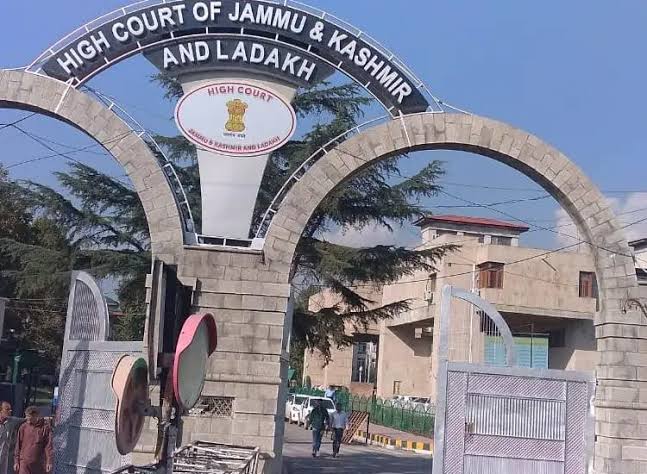
The High Court of Jammu and Kashmir and Ladakh has adopted new Draft Rules of Criminal Practice laying down procedures for investigations, trials, evidence, judgments, and bail applications in subordinate courts.
The rules were framed in response to a Supreme Court judgment dated February 5, 2026, which addressed deficiencies in criminal trials.
They require medico-legal, post-mortem and inquest reports to include front and rear sketches of bodies showing injuries. Post-mortems in cases involving deaths in police action or custody must also be photographed and videographed.
Investigating officers must prepare site plans showing key features including bodies, seized material, weapons, blood stains and bullet casings. Scaled plans will be prepared where an authorised draftsman is available.
Accused persons must receive witness statements, lists of relied-upon documents and material objects, as well as details of material not relied upon by investigators. Victims entitled to participate in proceedings will receive relevant material.
Charges must ordinarily be prepared by the presiding officer within 60 days of the first hearing on charges.
The rules also prescribe timelines for bail applications. Bail in non-bailable cases should ordinarily be decided within three to seven days of the first hearing, with reasons recorded for delays.
Undertrials detained for more than five years are to receive priority for bail or release on personal bond. Those detained longer than the maximum punishment prescribed for the alleged offence should also be released on personal bond.
The rules further recognise victims’ right to be heard during proceedings, including bail hearings.