

Kashmir Impulse Desk
Srinagar, Aug 12
Climate change and human activity are increasing the risk of extreme weather events in the Himalayan region, the Home Ministry told parliament, citing rising intensity and frequency of extreme rainfall.
The ministry’s response came in the Lok Sabha to a question concerning cloudbursts in neighbouring Himachal Pradesh.
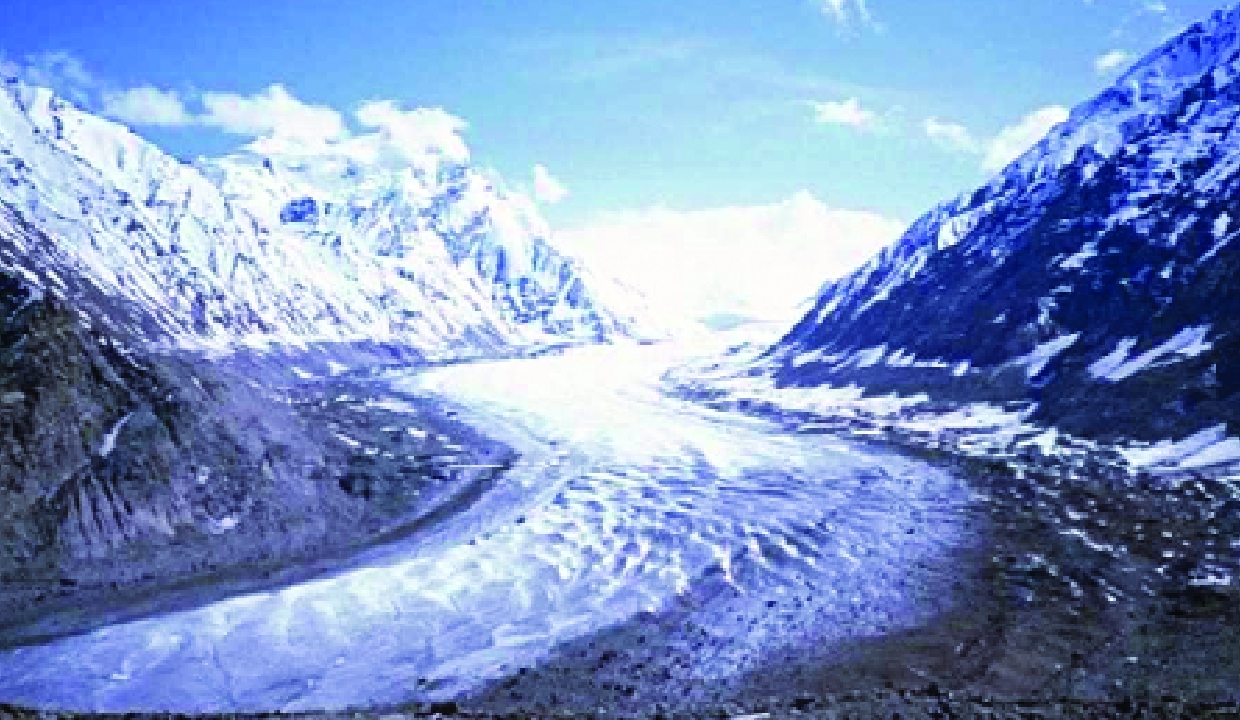
It said expert assessments indicated that climate change was contributing to more intense and frequent extreme rainfall events, while accelerated snowmelt and instability of mountain moraines were contributing to off-season slope failures and increased runoff in high-altitude areas. Human activity was also adding to the risks.
The government has constituted a Multi-Sectoral Central Team to examine the causes of extreme weather in Himachal Pradesh. The team includes experts from the National Disaster Management Authority, Central Building Research Institute, Indian Institute of Tropical Meteorology, IIT Indore and other agencies.
It will also draw on information from the India Meteorological Department, Central Water Commission and Geological Survey of India before recommending longer-term measures to reduce disaster risks.
The assessment has wider implications for Jammu and Kashmir, where extreme weather has repeatedly damaged infrastructure and disrupted connectivity.
More than 30 people have been killed in flash floods and landslides in J&K this year, with parts of the Pir Panjal and Chenab Valley, including Rajouri, Poonch, Reasi, Kathua, Samba, Doda, Kishtwar, and Ramban, among the areas reported to have been badly affected.
The report said incidents had also occurred across north, central and south Kashmir. Flash floods and landslides in Poonch and Rajouri on July 19 killed more than 25 people.
The region has also suffered hailstorms, strong winds and intense rainfall that damaged orchards, including blossoms and young fruit.
Government figures presented in the Rajya Sabha showed that floods and heavy rainfall killed 199 people in J&K during 2025.
The events also killed 11,693 livestock, damaged 8404 houses, and affected 77,915 hectares of farmland.
The deadliest reported incident occurred on Aug. 14, 2025, when a cloudburst near Chisoti village on the Machail Mata yatra route in Kishtwar triggered flash floods.
Nearly 70 people, mostly yatris, were killed, and several others went missing.