
Kashmir Impulse Desk
Srinagar, Aug 29
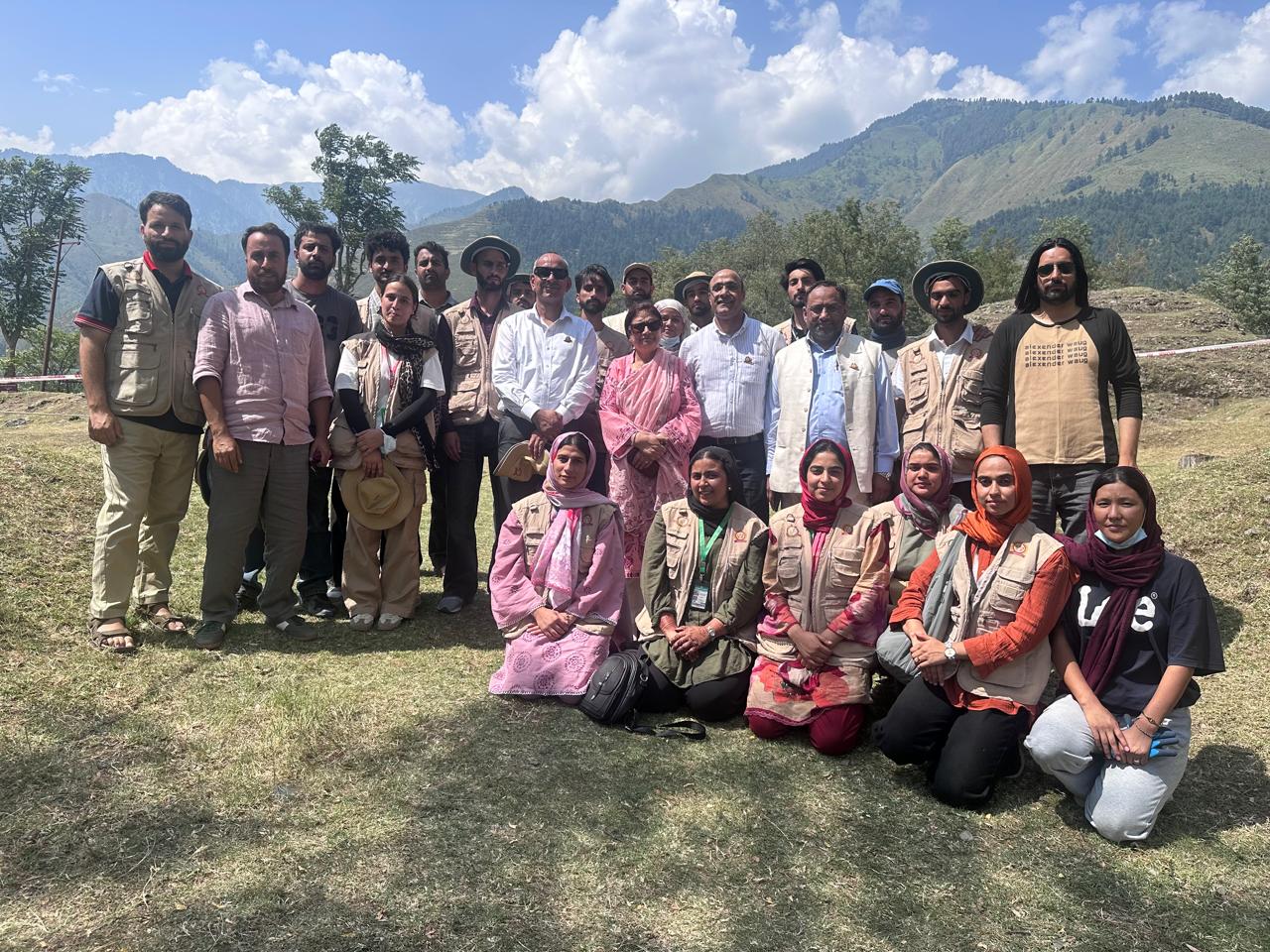
Archaeologists began a second phase of excavation at Zehanpora in north Kashmir’s Baramulla district on Saturday, seeking to determine the extent and historical significance of a settlement believed to date back nearly 2000 years.
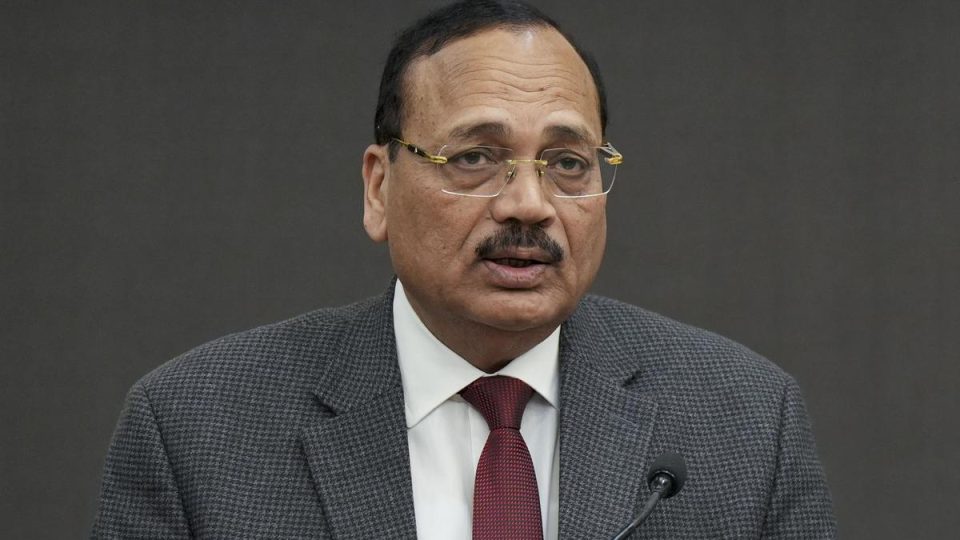
Chief Secretary Atal Dulloo inaugurated the excavation by carrying out the first dig and later inspected the site.
The work is being conducted jointly by the Centre of Central Asian Studies at the University of Kashmir and the J&K Department of Archives, Archaeology, and Museums.
Prof Muhammad Ajmal Shah, who is leading the excavation, briefed Dulloo on discoveries from the first phase and plans for the new excavation season.
The second phase is expected to run for about three months and will target areas identified through drone imagery, mapping and ground surveys.
“The evidence recovered so far suggests that the site dates back nearly 2000 years,” Shah said.
Dulloo said the findings indicated that Zehanpora was a 2000-year-old Buddhist archaeological site and that material recovered during the first phase would undergo scientific examination, including carbon dating.
The first phase, which began in November last year, uncovered a wall, a hall complex and an apsidal stupa, along with iron and copper artefacts, needles, decorated objects and other fragments.
Shah said drone imagery had helped archaeologists identify wall alignments and excavate specific locations.
He said more structures and artefacts could remain buried beneath the site.
The site has also been affected by later development.
A canal built in the 1970s divided it into two sections, while walls between stupas were removed during construction.
Zehanpora attracted renewed attention after Shah, while on a fellowship in France in 2023, found nearly 100 old photographs at the Guimet Museum, including images of three Buddhist stupa domes in Baramulla.
Shah said he recognised the site from the photographs, whose domes appeared substantially larger than the remains visible today.
The images helped researchers link the Zehanpora mounds to the stupas depicted in them.
The findings have prompted wider investigation into Kashmir’s Buddhist history, including a possible connection between Zehanpora and the Fourth Buddhist Council, traditionally associated with Kashmir in the first century CE.
Shah also cited Chinese traveller Xuanzang’s visit to Kashmir between 631 and 633 CE, saying his route through Baramulla and visits to Buddhist monasteries could indicate a possible connection with Zehanpora.
Dulloo said the site could eventually become a major archaeological and tourism attraction after excavation and conservation work.
He also assured government support for its protection and said efforts would be made to notify it as a monument of national importance.
University of Kashmir Vice Chancellor Prof Nilofer Khan reiterated the university’s support for the excavation.