
Kashmir Impulse Desk
Srinagar, Aug 29
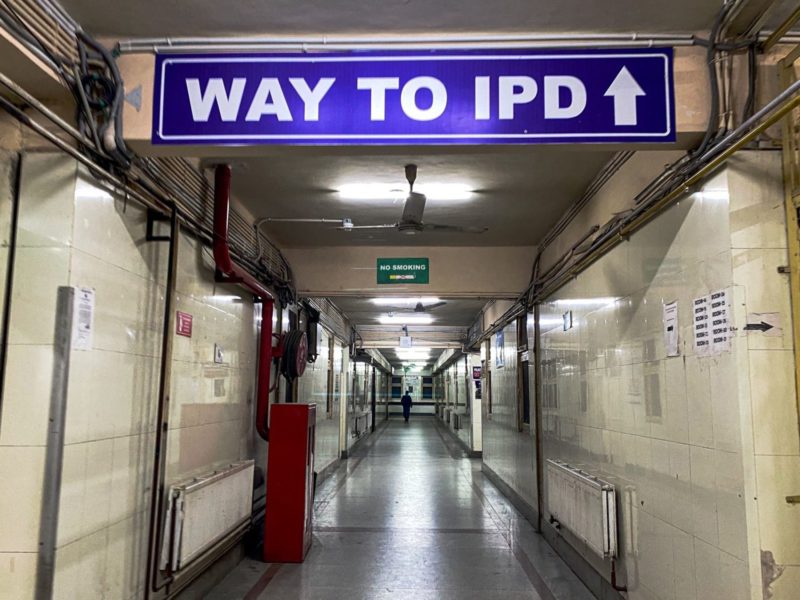
A Parliamentary Standing Committee on Home Affairs has recommended faster recruitment of doctors and specialists in Jammu and Kashmir, particularly for remote, border and difficult areas.
The panel also called for expanded postgraduate medical education and specialist training, saying shortages of qualified medical professionals remained a key challenge to equitable healthcare delivery.
The recommendations formed part of the committee’s assessment of healthcare in J&K. It recognised investments since 2019 and credited the central and J&K governments with expanding medical infrastructure.
The committee noted the establishment of AIIMS, new government medical colleges, specialised healthcare institutions, nursing colleges and critical-care facilities.
It also cited digital health initiatives, including the JK-SEHAT platform, telemedicine and tele-radiology, as measures helping overcome geographical barriers to specialist care.
But the panel said the availability of doctors and specialists in remote and difficult areas remained a concern.
It recommended that the administration expedite regular recruitment, expand postgraduate and specialist training, strengthen the District Residency Programme and provide appropriate financial and career incentives for professionals serving in difficult locations.
The committee also called for stronger digital health infrastructure, telemedicine networks and emergency medical services, backed by reliable internet connectivity, regular capacity building and monitoring.
The panel noted improvements in maternal and reproductive health indicators, including a Total Fertility Rate of 1.5, which it said was below the national average.
It credited the administration with improving maternal and child healthcare, achieving near-universal institutional deliveries and expanding access to family-planning services.
The committee recommended sustaining those gains through greater attention to adolescent health, women’s education and empowerment, maternal nutrition and reproductive health awareness.
It also called for universal access to maternal healthcare and family-planning services in tribal, border and other underserved areas.
On the Ayushman Bharat-Pradhan Mantri Jan Arogya Yojana (AB-PMJAY) SEHAT scheme, the committee said its implementation had reduced the financial burden of healthcare by providing cashless treatment to millions of beneficiaries.
It recommended greater public awareness, expansion of empanelled hospitals and specialised facilities in underserved districts and regular reviews of service quality and beneficiary satisfaction.