
Kashmir Impulse Desk
Srinagar, Oct 14
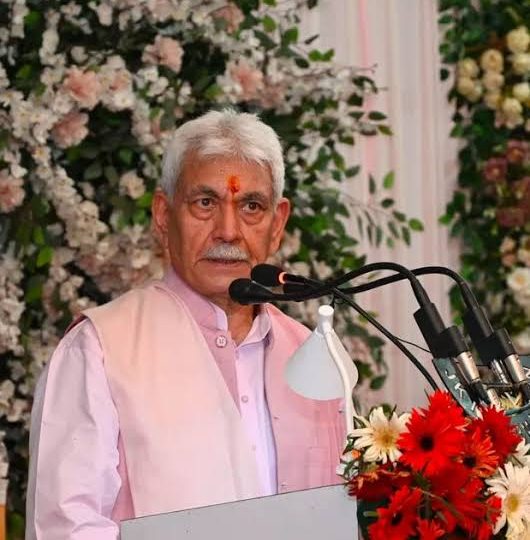
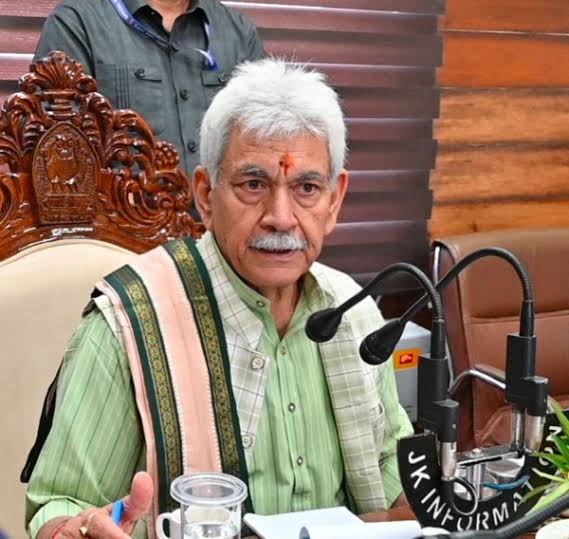
Lieutenant Governor Manoj Sinha on Wednesday urged doctors to ensure that advances in medical science reach rural and remote communities as effectively as urban centres.
Addressing the conference on “Advancing Internal Medicine: From Evidence to Excellence in Clinical Practice”, organised by Government Medical College (GMC), Srinagar, Sinha said equitable access to diagnostic tools, medicines and treatment technologies should be a priority for the medical fraternity.
He said internal medicine played a central role in patient-centred healthcare by helping physicians identify complex underlying conditions through clinical knowledge, observation and an understanding of the body as an interconnected system.
Sinha praised GMC Srinagar for its contribution to medical education and healthcare, saying generations of doctors trained at the institution continued to serve across Jammu and Kashmir and elsewhere in the country.
He also highlighted the growing burden of lifestyle-related diseases, including diabetes, hypertension, obesity, fatty liver disease and cardiovascular ailments, while noting that infectious diseases remained a concern.
The LG called for greater investment in indigenous medical research and evidence relevant to India’s diverse population.
He said digital health platforms, telemedicine and artificial intelligence could help expand access to healthcare, provided technology supported rather than replaced clinical judgement.
Sinha outlined six priorities for the medical community: expanding access to medical knowledge through digital platforms and telemedicine; strengthening preventive care and early diagnosis; using technology responsibly; building research capacity; improving doctors’ working conditions and addressing professional burnout; and keeping compassion central to patient care.
He urged young doctors to remain curious, embrace innovation and learn from experienced colleagues, while asking senior physicians to mentor the next generation.
Sinha said early detection of diabetes, hypertension and liver disease could reduce treatment costs and called on physicians to lead community-level prevention campaigns.
He also stressed that hospitals and medical institutions must pay greater attention to doctors’ wellbeing, including their working environments and professional needs.