
Kashmir Impulse Desk
New Delhi, April 18
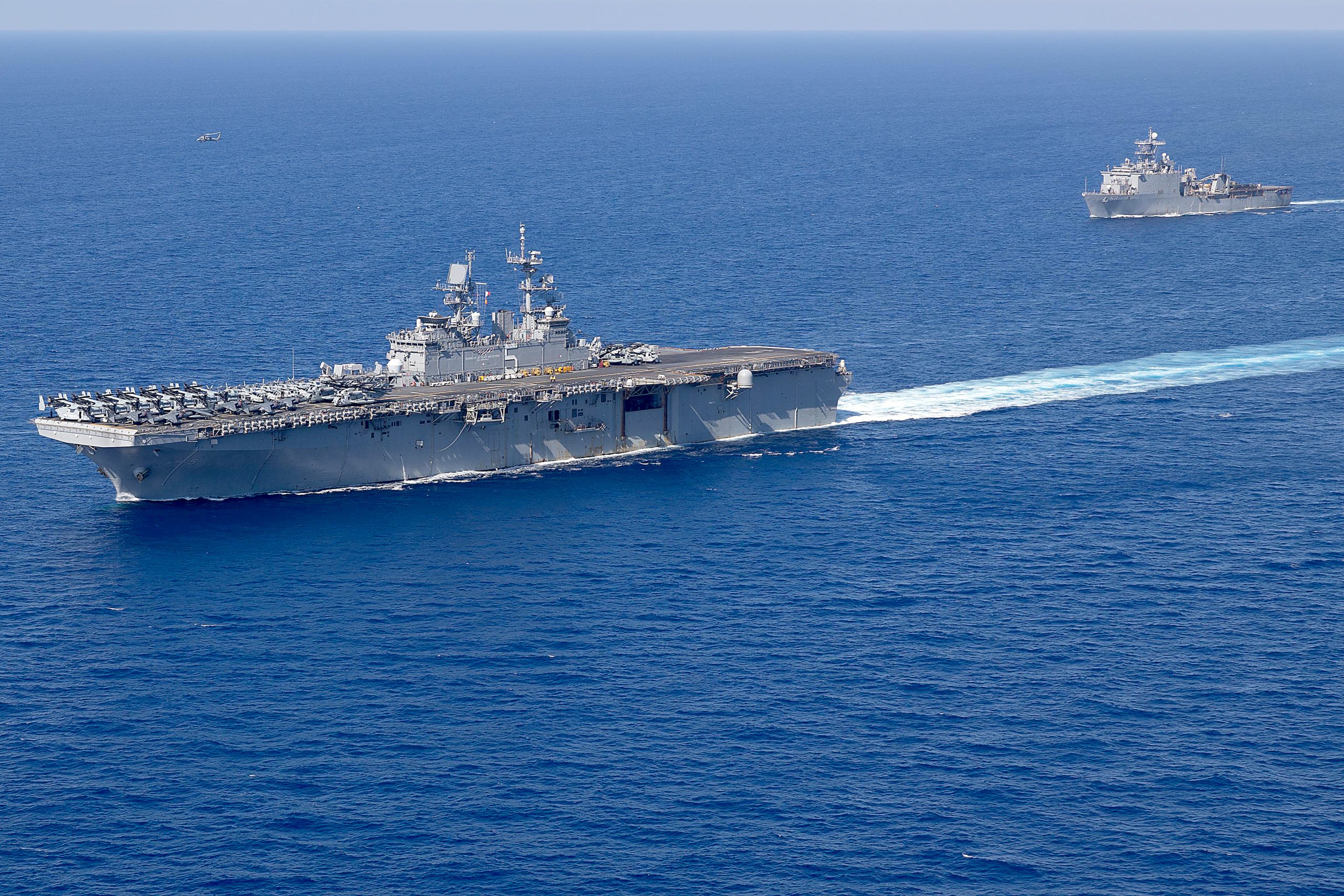
Iran said on Saturday it would continue to restrict transit through the Strait of Hormuz, reversing an earlier move to reopen the strategic waterway, as tensions with the United States over sanctions and a maritime blockade persisted.
The statement followed remarks by U.S. President Donald Trump, who said Washington would maintain its blockade of Iranian ports until Tehran agrees to a broader deal, including on its nuclear programme.
Iran had briefly reopened the strait to commercial shipping on Friday, but officials signalled a renewed clampdown, warning that access would remain limited as long as U.S. measures stay in place.
The Strait of Hormuz, a narrow passage between Iran and Oman, carries roughly one-fifth of global oil supplies. Any disruption is likely to tighten already constrained markets and push prices higher.
A senior Iranian lawmaker, Ebrahim Azizi, said commercial vessels would only be allowed to pass under conditions set by Iran’s authorities, including prior authorisation and payment of fees.
“The time has come to comply with the new maritime regime,” he said, adding that the rules could change if the United States escalates pressure on Iranian shipping.
Trump dismissed the idea of Iran imposing tolls or restrictions on the waterway. “No, they’re not going to be tolls,” he told reporters.
The developments come amid a fragile 10-day ceasefire between Israel and Lebanon’s Iran-backed Hezbollah group, which appeared to be holding, and as diplomatic efforts continue to avert a broader regional escalation.
Pakistani officials said talks between Washington and Tehran were still progressing ahead of an April 22 deadline linked to the ceasefire.
The recent fighting has killed thousands across the region, including in Iran and Lebanon, as well as dozens in Israel and Gulf Arab states, according to official figures.