
Kashmir Impulse Desk
Srinagar, July 12
Authorities imposed sweeping security restrictions across parts of Srinagar on Sunday ahead of the anniversary of the July 13, 1931 killings, sealing the historic Martyrs’ Graveyard and restricting movement in sensitive areas to prevent public gatherings and maintain law and order.
Restrictions were imposed in five police station jurisdictions in Srinagar, including the old-city areas of Nowhatta, Maharaj Gunj and Khanyar, where security personnel erected barricades, intensified vehicle checks and regulated public movement, officials said.
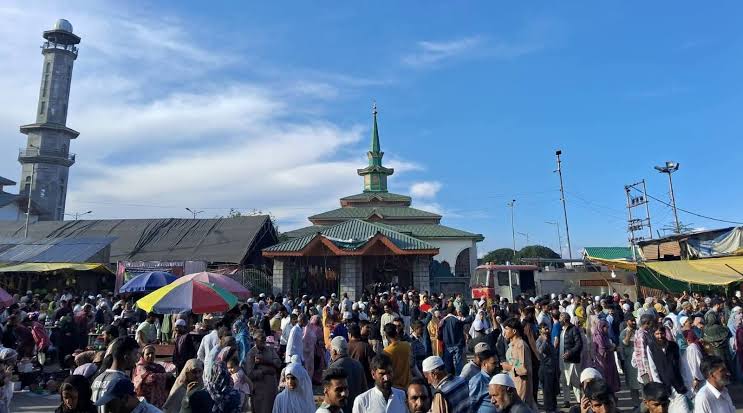
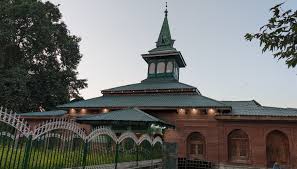
The Martyrs’ Graveyard at Naqshband Sahib in downtown Srinagar, the focal point of annual commemorations, was sealed to the public, with authorities barring access to political leaders, civil society groups and members of the public throughout the day.
Security deployment was significantly increased across the city’s downtown areas, traditionally the centre of commemorative events marking one of the most politically sensitive dates in Kashmir’s modern history.
“We are taking precautionary measures,” a senior police official said, adding that restrictions on movement would be enforced if political leaders attempted to reach the graveyard.
The heightened security comes as authorities seek to prevent protests or gatherings that could disrupt public order during the anniversary, which has remained a politically charged occasion since the constitutional reorganisation of Jammu and Kashmir in 2019.
July 13 commemorates the killing of 22 Kashmiris outside Srinagar Central Jail in 1931 during protests against the Dogra monarchy. The men are buried at the Martyrs’ Graveyard within the Naqshband Sahib shrine complex, which has long served as a symbol of Kashmir’s political history.
For decades, the anniversary was officially observed as Martyrs’ Day in the former state of Jammu and Kashmir, with government representatives, political parties and members of the public participating in wreath-laying ceremonies and commemorative gatherings. The day was also recognised as a gazetted public holiday.
That changed after August 5, 2019, when the Indian government revoked Jammu and Kashmir’s special constitutional status under Article 370, bifurcated the state into two federally administered union territories and assumed direct administrative control over the region.
Beginning in 2020, the administration discontinued July 13 as a public holiday and ended official state-sponsored commemorations, citing administrative and security considerations. The policy has remained in place each year since.
Authorities have similarly imposed restrictions around the anniversary in previous years.
Last year, roads leading to the graveyard were sealed, political leaders from the ruling National Conference (NC), the People’s Democratic Party (PDP) and the Apni Party were prevented from visiting the site, while several leaders were either confined to their residences or faced restrictions on movement.
Despite those measures, Jammu and Kashmir Chief Minister Omar Abdullah visited the graveyard the following day to pay tribute to those killed in 1931, underlining the continued political and symbolic significance attached to the site.
The restrictions have frequently drawn criticism from regional political parties, which argue that limiting access to the graveyard represents an attempt to diminish an important chapter of Kashmir’s political history following the 2019 constitutional changes.
The administration, however, maintains that such measures are temporary and intended solely to ensure public safety and prevent any breach of peace during periods considered sensitive from a security standpoint.
As security forces maintained a visible presence across Srinagar’s old city on Sunday, officials said the restrictions would remain in place as long as necessary to ensure that commemorations passed without incident.
The anniversary remains one of the most closely watched dates in Kashmir’s political calendar, reflecting the continuing sensitivity surrounding the region’s history, identity and evolving constitutional landscape.