
Kashmir Impulse Desk
Srinagar, May 16
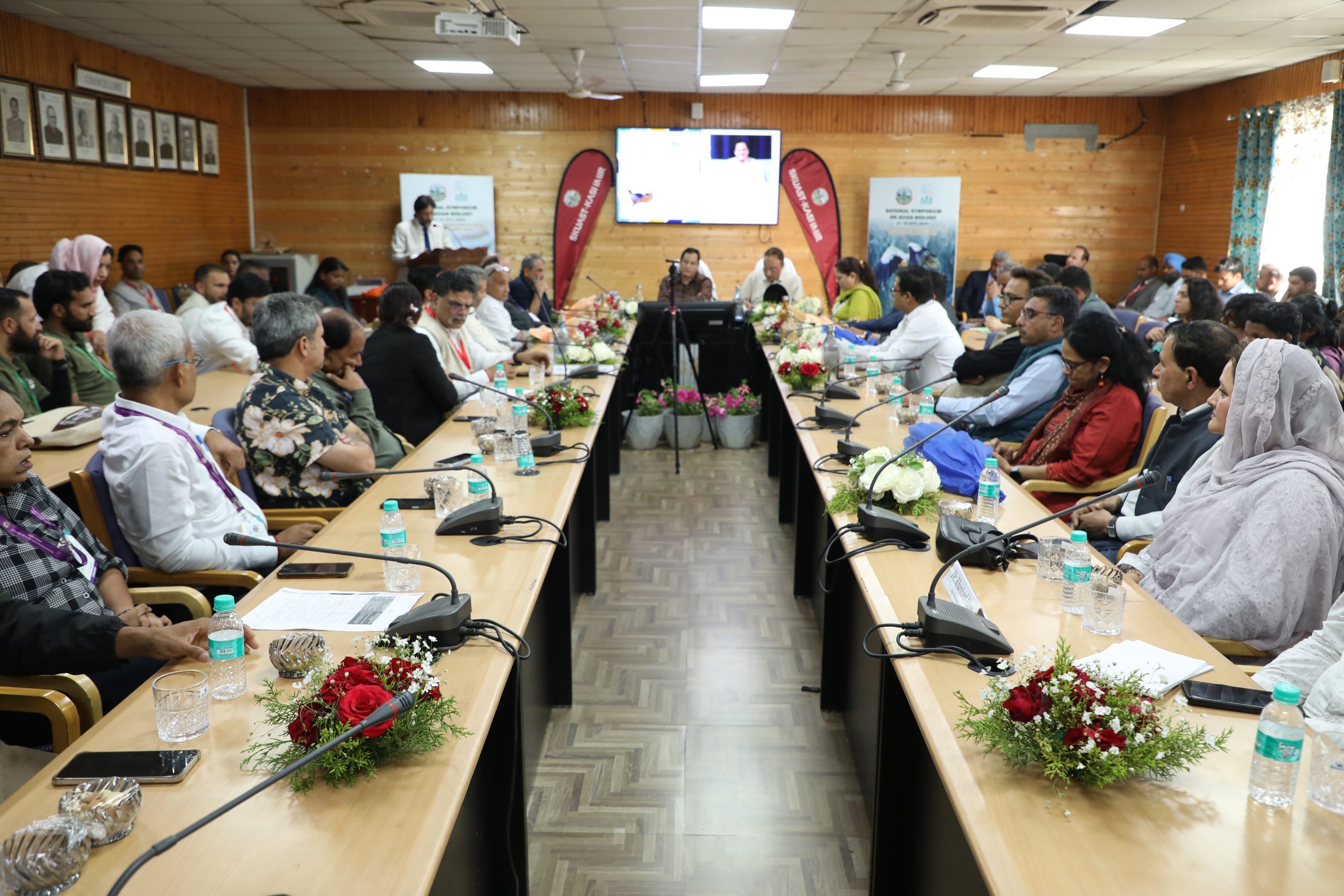
Sher-e-Kashmir University of Agricultural Sciences and Technology of Kashmir on Saturday concluded a three-day national symposium on avian biology that brought together scientists and researchers from across India to discuss wildlife conservation, ecological monitoring and emerging challenges in avian research.
The “National Symposium on Avian Biology (NSAB 2026)”, organised by the university’s Division of Wildlife Sciences in conjunction with the seventh meeting of the Association of Avian Biologists in India, was held at the Shalimar campus in Srinagar from May 14 to 16.
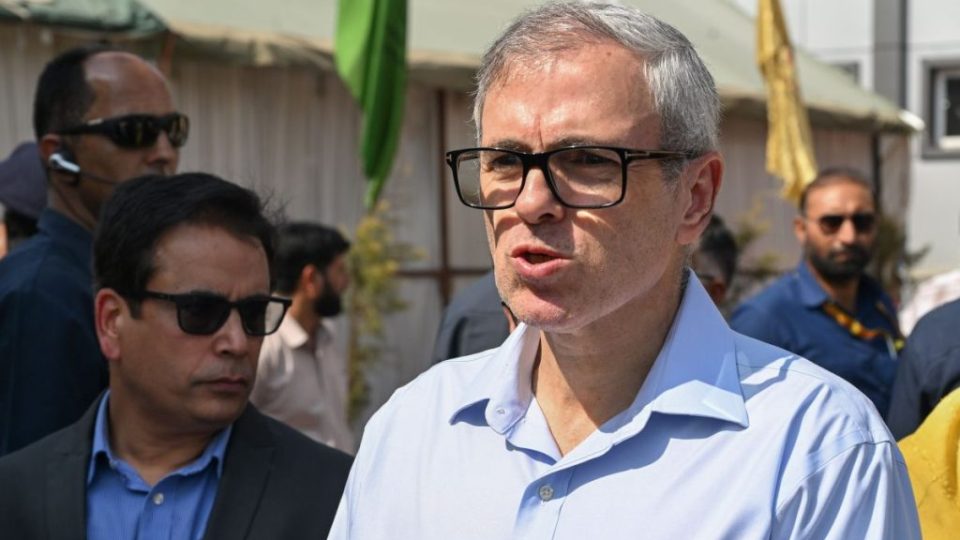
The valedictory session was attended by Javid Ahmad Dar, Jammu and Kashmir’s minister for agriculture production, rural development, panchayat raj, cooperatives and elections.
Dar said more such scientific programmes should be organised in the region and stressed the need to strengthen wildlife sciences through improved faculty strength, laboratory facilities and research infrastructure.
He also advocated inclusion of wildlife sciences within the university’s Holistic Agriculture Development Programme.
Vice-Chancellor Nazir Ahmad Ganai said the symposium highlighted the university’s focus on teaching, innovation and wildlife research.
L S Shashidhara said wildlife sciences formed an important part of India’s “One Health” approach and called for multidisciplinary research to address zoonotic diseases and other wildlife-related challenges.
Anand S Dixit urged institutions to develop long-term collaborative networks for ecological monitoring and conservation research in avian biology.
Organising Secretary Khursheed Ahmad said discussions during the symposium focused on sustainable development, avian conservation and the potential of bird-based ecotourism and nature interpretation to support local entrepreneurship.
Officials said the symposium aimed to strengthen scientific collaboration and promote research on biodiversity conservation and ecological sustainability.