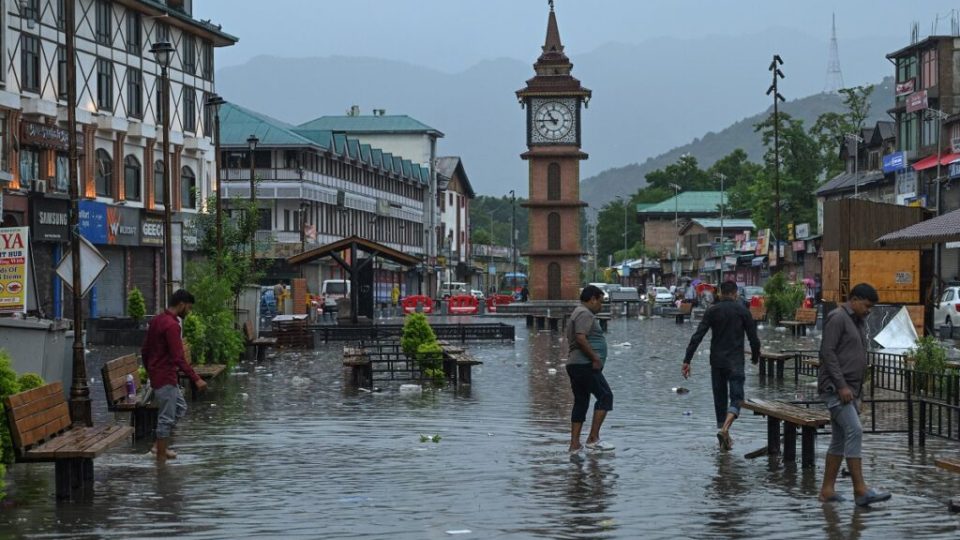

For decades, parking in Jammu and Kashmir’s cities has been governed less by rules than by improvisation.
Drivers parked where space appeared available. Parking attendants collected cash, often without receipts. Footpaths became extensions of parking lots. Double parking narrowed already congested roads. Around hospitals, markets and commercial hubs, motorists routinely circled for several minutes searching for vacant spaces, adding to traffic congestion and pollution.
The system worked – if at all – through habit rather than planning.
That is now set to change.
The Jammu and Kashmir government has unveiled one of the most comprehensive parking reforms ever attempted in the Union Territory, introducing a digital, technology-driven framework that promises to transform how vehicles are parked, monitored and managed across urban areas.
The newly notified Jammu and Kashmir Parking Rules, 2026, go far beyond simply changing how parking fees are collected. They seek to redefine parking as an integral component of urban mobility rather than a peripheral municipal function.
Cash payments will disappear.
Parking sessions will be tracked digitally.
Enforcement officers will be able to clamp vehicles that evade payment.
Urban local bodies will have to scientifically assess parking demand.
Electric vehicle charging stations will become mandatory.
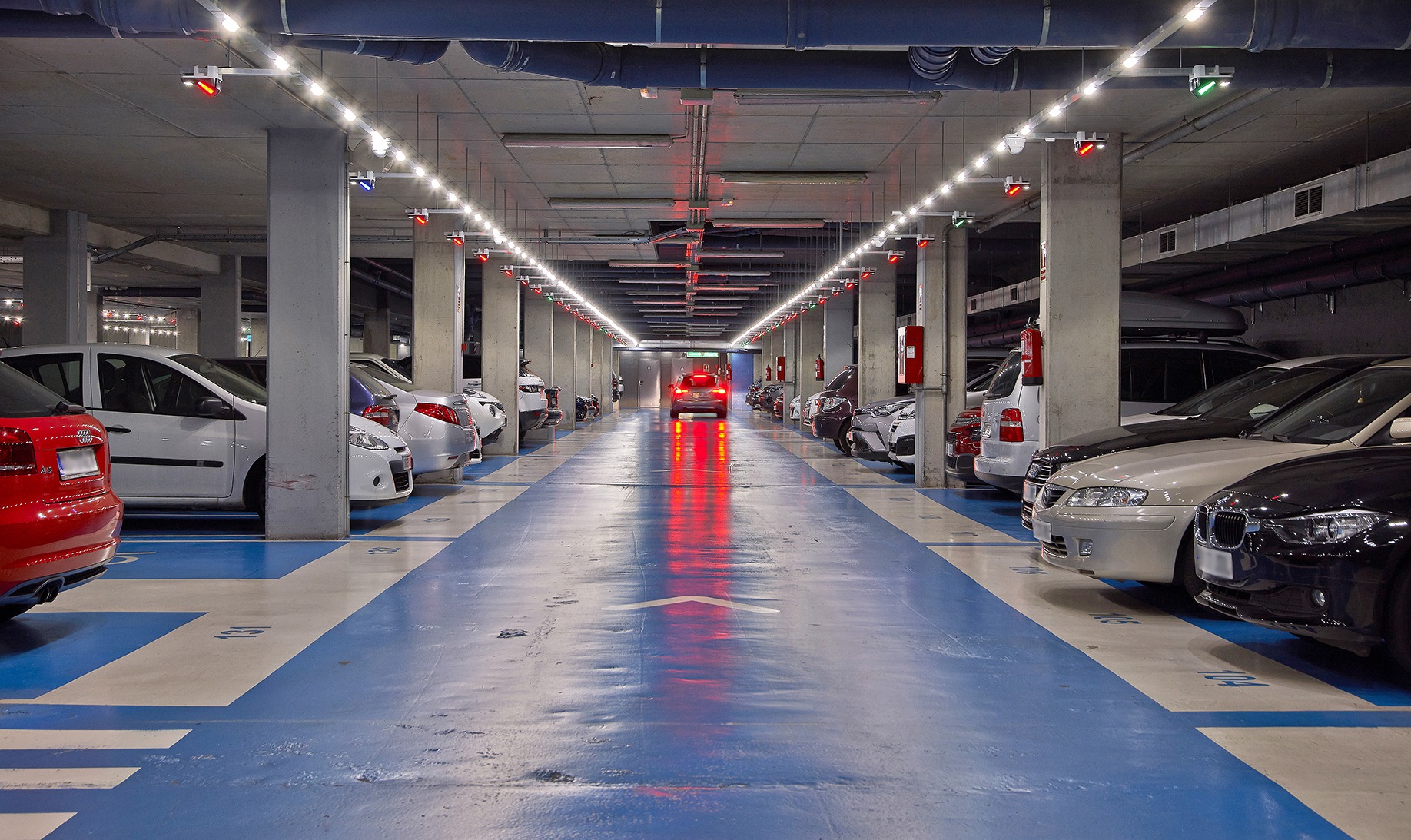
And for the first time, parking across municipal areas will be monitored through a Central Parking Management System linked to Integrated Command and Control Centres.
It marks a significant shift in urban governance.
Yet the reforms also raise important questions.
Can technology solve a problem that is fundamentally rooted in poor urban planning? Will digital parking improve traffic flow, or merely digitise existing chaos? And are Jammu and Kashmir’s cities prepared for a transition that could fundamentally alter how residents interact with public spaces?
At first glance, the new rules appear to be about digitising parking payments.
In reality, they represent a broader attempt to modernise urban management.
Parking has long been one of the most neglected aspects of city planning.
As vehicle ownership rises, available road space has remained largely unchanged.
The result is familiar across Srinagar, Jammu and many district headquarters.
Encroached footpaths. Congested commercial streets. Vehicles parked haphazardly outside hospitals. Traffic bottlenecks around schools.
Chaotic market areas where pedestrians, cyclists and motorists compete for limited space.
Urban planners increasingly argue that parking is not merely a transport issue. It is a land-use issue. A traffic management issue. An environmental issue. A public safety issue. And ultimately, a governance issue.
Perhaps the most visible change will be the elimination of cash transactions.
Motorists will register their vehicles and mobile numbers with the Central Parking Management System.
Parking sessions will begin and end through a mobile application or text message. Charges will be calculated automatically.
Payments can be made through digital wallets, internet banking, debit cards, credit cards or the National Common Mobility Card.
The move promises several advantages. Revenue leakages could reduce significantly. Parking records will become transparent. Municipal bodies will receive real-time financial data. Users will receive digital receipts. Disputes over charges may decline.
For governments increasingly pursuing digital governance, parking becomes another public service entering the cashless ecosystem.
Perhaps the most transformative element is not digital payment but digital visibility.
The Central Parking Management System will feed information into Integrated Command and Control Centres.
Officials will be able to monitor occupancy levels.
Track payment compliance. Analyse demand patterns. Identify overcrowded areas. Review enforcement activities.
This data-driven approach allows parking management to move from reactive decision-making towards evidence-based planning.
Cities will no longer rely solely on manual surveys. Instead, parking demand can be measured continuously.
That information could influence everything from road design to commercial zoning.
One of the most ambitious provisions requires every urban local body to prepare a Parking Area Management Plan within six months.
Traditionally, parking infrastructure has expanded only after congestion reached crisis levels.
The new approach seeks to reverse that sequence.
Authorities must now study demand before planning supply. Hospitals. Schools. Shopping centres. Airports. Government offices. Transport hubs. Commercial markets.
All must be evaluated for present and future parking requirements.
Urban planners have long argued that parking should be planned as carefully as roads themselves.
These management plans could finally institutionalise that philosophy.
Among the most discussed provisions is the introduction of wheel-clamping. Motorists failing to pay parking charges may find their vehicles immobilised.
Enforcement officers must photograph the violation before updating the digital system.
Release becomes possible only after payment through authorised digital platforms. The objective extends beyond punishment.
Authorities hope stricter enforcement will encourage voluntary compliance.
Many developed cities employ similar systems successfully.
Whether they gain public acceptance in Jammu and Kashmir remains to be seen.
The rules also expand enforcement against other violations. Parking on footpaths. Blocking cycle tracks. Occupying multiple spaces. Parking against traffic flow. Overstaying in designated zones. Obstructing emergency vehicles. Each attracts penalties.
Vehicles creating serious obstruction may be towed immediately.
For pedestrians, these provisions may prove particularly significant. Across many cities, footpaths have gradually disappeared beneath parked vehicles.
Restoring pedestrian space could improve accessibility while enhancing road safety.
Yet digital systems cannot create parking where none exists. That remains the policy’s greatest challenge.
Many commercial areas in Srinagar and Jammu were never designed for today’s traffic volumes. Roads remain narrow. Buildings lack adequate parking. Markets continue expanding. Vehicle ownership keeps rising.
Without increasing off-street parking capacity, enforcement alone may simply shift vehicles from one congested street to another.
Urban experts therefore argue that parking management must accompany broader transport reforms.
Parking is often misunderstood as free public space. In reality, every parking space occupies valuable urban land. Economists increasingly advocate pricing parking appropriately. Cheap parking encourages unnecessary car use. Free parking often generates congestion. Efficient pricing improves turnover. Supports local businesses.
Discourages long-term occupation. Encourages alternative transport.
The digital system allows authorities to introduce flexible pricing in future if required. High-demand locations could command higher fees.
Less congested areas may remain cheaper. Dynamic pricing has already transformed parking management in several global cities.
The rules also acknowledge another emerging reality. Electric vehicles.
At least 10 percent of equivalent car spaces must provide charging infrastructure.
Although EV adoption remains limited in Jammu and Kashmir, early planning prevents future infrastructure shortages.
Charging stations within parking facilities may encourage wider adoption while supporting national clean mobility goals.
Interestingly, the policy also opens new possibilities for private participation. Landowners may establish commercial parking facilities after obtaining licences.
Women and differently abled landowners will receive incentives.
In cities where land remains scarce, private parking could supplement municipal infrastructure while generating additional income for property owners. Cleaner governance
Parking has historically been vulnerable to informal practices. Cash collection. Unrecorded revenue. Disputes. Lack of transparency.
Digital systems promise cleaner administration. Every transaction leaves an electronic record. Every payment becomes traceable. Municipal finances become easier to audit.
For urban local bodies often struggling with limited revenue, improved parking collections could support broader civic improvements.
Perhaps the greatest beneficiaries may not be motorists. They may be pedestrians.
Footpaths across many towns have steadily narrowed because of illegal parking. Persons with disabilities face particular difficulties. Parents with prams. Schoolchildren. Senior citizens. Wheelchair users.
Restoring footpaths improves mobility for everyone. Urban planning increasingly recognises walking as the foundation of sustainable cities.
Parking regulation therefore becomes pedestrian policy as much as traffic policy. Technology can facilitate reform. But lasting success depends upon behaviour.
Drivers accustomed to informal parking practices may initially resist digital compliance. Some may avoid registration. Others may challenge enforcement.
Public awareness campaigns will therefore become essential. Citizens must understand not merely how the system works but why it matters. Successful implementation requires trust as much as technology.
One overlooked advantage of digital parking lies in information.
Authorities will finally know how long vehicles remain parked, which locations experience highest demand, peak parking hours, revenue patterns, seasonal variation, commercial activity.
Future planning can therefore become evidence-based rather than anecdotal. Data may ultimately become the policy’s most valuable outcome.
Parking cannot exist independently from public transport.
If parking becomes more regulated while public transport remains inadequate, commuters face limited alternatives.
Future mobility planning should therefore integrate parking with buses, shared transport, cycling infrastructure and pedestrian networks.
The National Common Mobility Card provision hints towards that integrated future.
Ideally, one payment ecosystem should support multiple transport modes.
Cities worldwide increasingly recognise that expanding roads alone cannot solve congestion.
Managing parking often proves more effective. Singapore prices parking strategically.
London integrates parking with congestion management.
Tokyo requires proof of parking ownership before vehicle registration in many areas.
European cities increasingly reclaim parking spaces for pedestrians and cyclists.
Jammu and Kashmir’s reforms reflect this broader global shift.
The rules themselves appear comprehensive. Implementation will decide their legacy.
Can urban local bodies prepare scientific management plans within six months?
Will digital infrastructure function reliably? Will enforcement remain fair? Will parking attendants receive adequate training? Will citizens embrace cashless payments? Will private parking investment materialise? Will technology remain operational during network disruptions?
Each question will shape public perception. Ultimately, this policy is not really about parking. It is about how cities allocate limited public space.
Roads cannot indefinitely accommodate growing numbers of private vehicles without better management. Parking occupies land. Influences traffic. Shapes pedestrian movement. Affects businesses. Impacts emergency response. Determines accessibility.
Managing parking efficiently therefore improves the city itself.
There is another philosophical shift embedded within the new rules.
For decades, Indian cities often prioritised moving vehicles. Modern urban planning increasingly prioritises moving people. The distinction matters.
Efficient parking reduces unnecessary traffic. Protected footpaths encourage walking. Better regulation improves public transport reliability. Cleaner streets enhance urban life.
Parking thus becomes one element within a larger vision of sustainable mobility. For Jammu and Kashmir, where urbanisation is accelerating and vehicle ownership continues to grow, the new parking framework represents an important acknowledgement that cities cannot continue functioning through improvisation alone.
Technology offers an opportunity to replace uncertainty with transparency, cash collections with digital accountability and unplanned expansion with scientific management.
Whether the reforms ultimately transform urban mobility will depend not only on software, sensors or enforcement officers, but on something less tangible.
A willingness among governments, municipal bodies and citizens alike to recognise that parking is not merely about where vehicles stop.
It is about how cities move. If implemented effectively, Jammu and Kashmir’s new parking rules could mark the beginning of a smarter, cleaner and more organised urban future—one parking space at a time.
About the Author
Danish Mohuiddin, a postgraduate in Convergent Journalism, approaches storytelling as a visual and narrative craft. With a strong interest in cinematography and filmmaking, his work often lingers on the human dimensions of news. Drawn to stories that matter to people, he writes with an eye for both movement and meaning.