

Kashmir Impulse Desk
New Delhi, July 8
Oil prices surged more than 6 percent on Wednesday after US President Donald Trump declared that a ceasefire with Iran was “over”, heightening fears of prolonged disruption to crude supplies through the Strait of Hormuz and triggering a broad sell-off in global equity markets.
Brent crude futures rose 6.3 percent to about USD 78.80 a barrel, while US West Texas Intermediate crude climbed 6.4 percent to around USD 75 a barrel after Washington launched fresh strikes on Iranian military targets in response to attacks on commercial shipping in the Gulf.
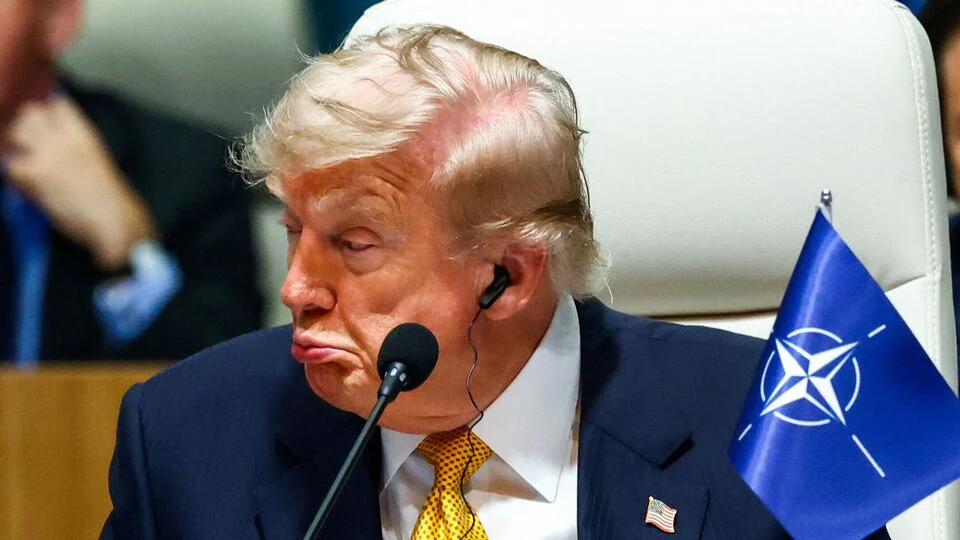
“For me, I think it’s over,” Trump told reporters on the sidelines of a NATO summit in Ankara when asked about the ceasefire reached earlier this year. “It’s just a waste of time dealing with them.”
The renewed hostilities followed Iranian attacks on three commercial vessels transiting the Strait of Hormuz, one of the world’s busiest oil shipping routes.
The United States accused Tehran of violating the truce and responded with strikes on Iranian military installations, while Iran later launched retaliatory attacks on US military facilities in the Gulf.
The latest escalation revived concerns over the security of energy shipments through the narrow waterway, which handles roughly a fifth of global oil consumption, raising the risk of supply disruptions and renewed inflationary pressures.
Crude prices had eased in recent weeks after retreating from peaks above $100 a barrel reached during the initial phase of the conflict.
However, Wednesday’s military escalation reversed that trend as traders reassessed geopolitical risks.
As part of the interim agreement reached earlier this year, Iran and the United States had temporarily allowed vessels to transit the Strait of Hormuz without additional charges. Tehran, however, had maintained that it would eventually regulate shipping routes and levy transit fees, a move that could significantly alter longstanding international shipping practices.
Market sentiment was also weighed down by uncertainty surrounding technology stocks, particularly companies linked to artificial intelligence, amid concerns that soaring valuations have outpaced expected earnings growth.
“Geopolitical headlines will likely determine market sentiment over the coming hours,” said Ipek Ozkardeskaya, senior analyst at Swissquote. “A further deterioration in the situation could weigh further on equity valuations along with rising stress in technology.”
European markets fell sharply, with Germany’s DAX down 2.4 percent, France’s CAC 40 losing 2.2 percent and Britain’s FTSE 100 declining 1.7 percent.
US stock futures also pointed lower, with futures tracking the S&P 500 falling 1 percent and Dow Jones Industrial Average futures down 1.3 percent.
Asian markets were mixed.
Japan’s Nikkei 225 fell 2.1 percent, while South Korea’s Kospi slumped 5.4 percent as heavy selling resumed in technology shares including Samsung Electronics and SK Hynix. Australia’s benchmark index also ended lower.
Hong Kong’s Hang Seng Index bucked the regional trend, rising 3 percent, supported by gains in Chinese technology stocks.
Shares of artificial intelligence startup Zhipu surged after state media reported that most cornerstone investors planned to retain their holdings following the expiry of a lock-up period.
Currency markets were comparatively subdued, with the US dollar edging higher against the Japanese yen while the euro slipped marginally against the dollar as investors sought safe-haven assets amid growing geopolitical uncertainty.