
Kashmir Impulse Desk
Srinagar, Aug 23
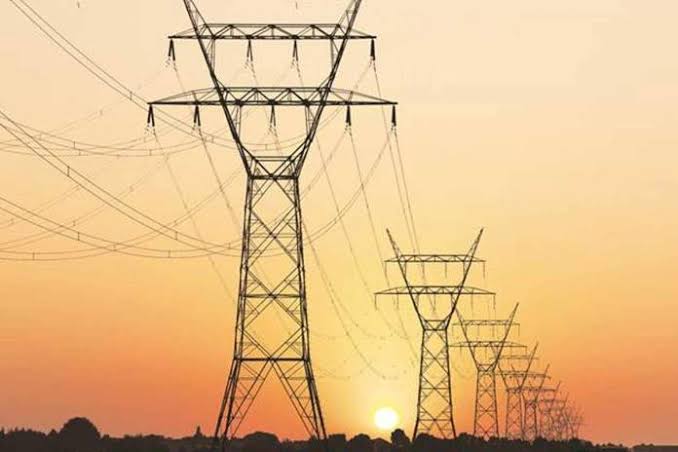
The power distribution utilities of Jammu and Kashmir face a combined revenue shortfall of Rs 2923 crore in the 2026-27 financial year under the existing tariff structure, according to the Joint Electricity Regulatory Commission (JERC).
JERC approved an aggregate revenue requirement of 10276 crore for Jammu Power Distribution Corporation Ltd (JPDCL) and Kashmir Power Distribution Corporation Ltd (KPDCL), against estimated revenue of Rs 7353 crore under the existing tariff.
JPDCL accounts for a gap of Rs 1143 crore, while KPDCL faces a shortfall of Rs 1780 crore.
Power purchases, including transmission charges, are the largest expense, at more than Rs 8685 crore combined.
Approved power purchase expenditure stands at Rs 4342 crore for JPDCL and Rs 4343 crore for KPDCL.
Following the tariff revision, combined revenue is expected to rise to Rs 7855 crore, leaving a gap of Rs 2421 crore to be met through government grant-in-aid and subsidy.
The government has committed Rs 2421 crore in tariff-related subsidy under Section 65 of the Electricity Act, 2003, subject to release in accordance with law.
JERC said recovering the entire gap through tariffs would have required an increase of about 40 percent, and said government support had been factored in to avoid a sharp increase in consumer charges.
The regulator retained distribution-loss targets of 15 percent for JPDCL and 19 percent for KPDCL.
It said distribution losses were controllable and warned the utilities against passing inefficiencies on to consumers.
The subsidised tariff will apply to electricity consumed from September 1, 2026.
Separately, the tariff revision is expected to increase the principal energy charges for industrial consumers by about 10 percent, above the overall average tariff increase of 6.83 percent.
For low-tension industrial consumers, the energy charge rises from Rs 4.20 to Rs 4.60 per kVAh, while for high-tension industrial consumers at 11 kV it increases from Rs 4.10 to Rs 4.50.
The Federation of Chambers of Industries Kashmir (FCIK) has opposed the increase and sought intervention from Chief Minister Omar Abdullah.
Industrialists said higher electricity costs would add to existing pressures from freight, raw materials and limited markets, potentially hurting the competitiveness of manufacturing units.
FCIK has sought a review of the tariff order and called for the revised industrial rates to be kept in abeyance pending reconsideration by JERC.