
Kashmir Impulse Desk
New Delhi, May 9
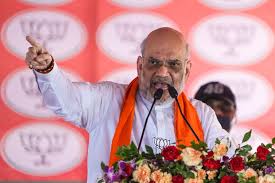
The Centre plans to expand early warning systems to at least 60 high-risk glacial and mountain lakes across the Himalayan region as part of efforts to strengthen disaster preparedness against floods and climate-related emergencies, Home Minister Amit Shah said on Sunday.
Chairing a high-level review meeting on flood and heat wave preparedness in New Delhi, Shah said lakes in Jammu and Kashmir, Ladakh, Uttarakhand, Himachal Pradesh, Arunachal Pradesh and Sikkim would be brought under an early warning network with support from the National Disaster Management Authority (NDMA).
The move comes amid growing concerns over glacial lake outburst floods (GLOFs) and extreme weather events linked to climate change in the ecologically fragile Himalayan belt.
Shah said authorities should develop an integrated flood forecasting system at both federal and state levels and ensure Flood Crisis Management Teams were constituted and activated across all states.
“Our objective should be to implement the vision of zero casualty disaster management,” Shah said during the meeting, according to an official statement.
He also called for a nationwide review of compliance with disaster management guidelines related to floods, forest fires and heat waves issued by the Ministry of Home Affairs and the NDMA.
India has witnessed increasingly erratic weather patterns in recent years, including flash floods, landslides and prolonged heat waves, which scientists have linked to climate change and rapid environmental degradation.
Shah said authorities should explore water conservation measures, including check dams and water storage projects, to reduce the impact of heat waves and improve groundwater levels.
He also directed officials to prepare a long-term master plan to address climate-related disasters through what he described as a “whole of government” and “whole of society” approach.
The minister said weather forecasts and disaster warnings should be disseminated more effectively at the grassroots level and urged agencies to strengthen coordination ahead of the annual monsoon season.
The meeting was attended by senior officials from the NDMA, National Disaster Response Force (NDRF), India Meteorological Department (IMD), Central Water Commission and other federal agencies.