
Kashmir Impulse Desk
Anantnag, June 25
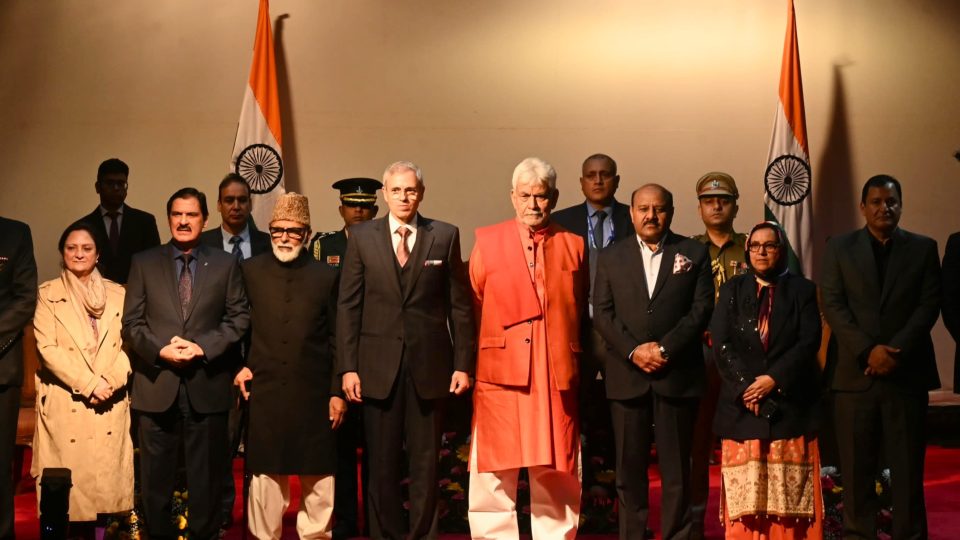
Lieutenant Governor Manoj Sinha said on Thursday that the annual Amarnath Yatra has evolved beyond a religious pilgrimage into a symbol of communal harmony and social unity, as authorities completed a comprehensive review of preparations ahead of the pilgrimage beginning next week.
Speaking at the conclusion of a two-day international seminar on the Amarnath Yatra in Anantnag district, LG Sinha said the pilgrimage continued to reflect Kashmir’s tradition of religious coexistence, with local communities playing a vital role in assisting pilgrims each year.
“Apart from its religious and spiritual significance, the Amarnath Yatra stands as a symbol of societal unity and strengthens brotherhood, harmony, and mutual trust,” Sinha said.
He said residents of Kashmir had supported the pilgrimage for decades and were once again preparing to welcome devotees arriving from across India.
“The people of Kashmir have shouldered the responsibility of this spiritual journey for decades. Even today, they are eager to welcome the yatris and extend every possible assistance,” he said.
The seminar, organised by the district administration in collaboration with Government Degree College for Women, Anantnag, examined the pilgrimage’s religious, historical, cultural, ecological, and socio-economic dimensions.
Deputy Commissioner Bilal Mohi-ud-Din said more than 300 delegates attended the conference, with around 80 researchers and experts presenting papers on various aspects of the annual pilgrimage.
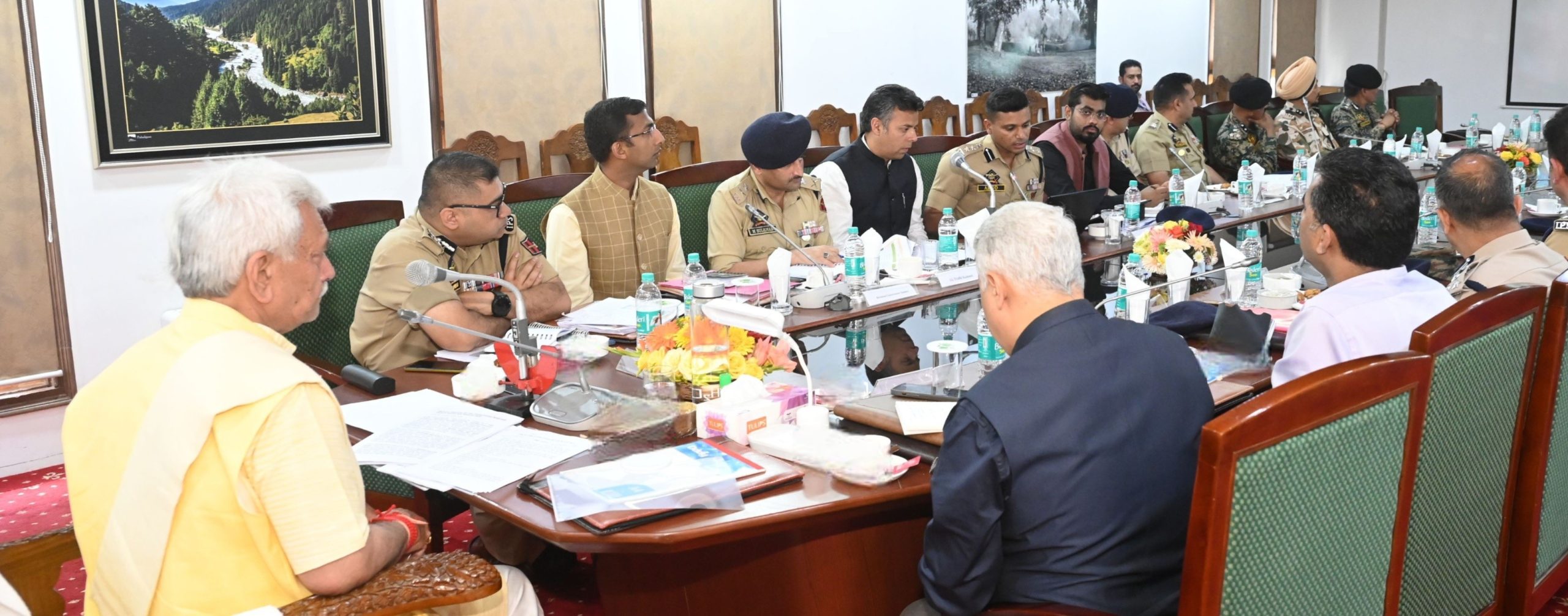
Earlier in the day, Sinha chaired a high-level review meeting at Pahalgam, one of the two base camps for the 52-day pilgrimage, to assess readiness across security, logistics, healthcare, infrastructure, and disaster management.
Officials reviewed arrangements including accommodation, sanitation, drinking water, electricity, road connectivity, RFID-based pilgrim management, joint control rooms, footbridge construction, langar facilities, traffic regulation, and security deployment.
LG Sinha directed departments to maintain close coordination and complete all pending works before the pilgrimage begins on July 3.
He stressed the need for weather-based evacuation plans, deployment of Mountain Response Teams along vulnerable stretches of the route, rigorous inspection of transit camps, and real-time crowd monitoring to prevent congestion at critical points.
He also instructed the Border Roads Organisation to complete all assigned road works before the arrival of pilgrims.
Senior police officers briefed the meeting on a multi-layered security framework covering both the traditional 48-km Pahalgam route in Anantnag district and the shorter 14-km Baltal route in Ganderbal district.
Speaking to reporters after the review meeting, LG Sinha said the Jammu and Kashmir administration, Shri Amarnathji Shrine Board, police and security agencies had finalised preparations to ensure a safe and smooth pilgrimage.
The annual Amarnath Yatra, one of Hinduism’s most significant pilgrimages, will begin on July 3 and conclude on August 23, coinciding with the festival of Raksha Bandhan. Hundreds of thousands of pilgrims are expected to undertake the pilgrimage under extensive security arrangements.