
Kashmir Impulse Desk
New Delhi, June 11
The conflict between the United States and Iran escalated sharply on Thursday as both sides exchanged military strikes across the Middle East, raising fears of a broader regional war, disrupting shipping in the Gulf and pushing global oil prices higher.
The latest escalation followed a second consecutive day of U.S. strikes on targets inside Iran. The US military said it had targeted military surveillance systems, communications networks and air defence installations that it said posed a threat to American forces and international shipping.
“US Marine Corps, Air Force and Navy assets fired precision munitions on Iranian targets that posed a threat to US forces and international commercial ships transiting regional waters,” US Central Command (CENTCOM) said in a statement.
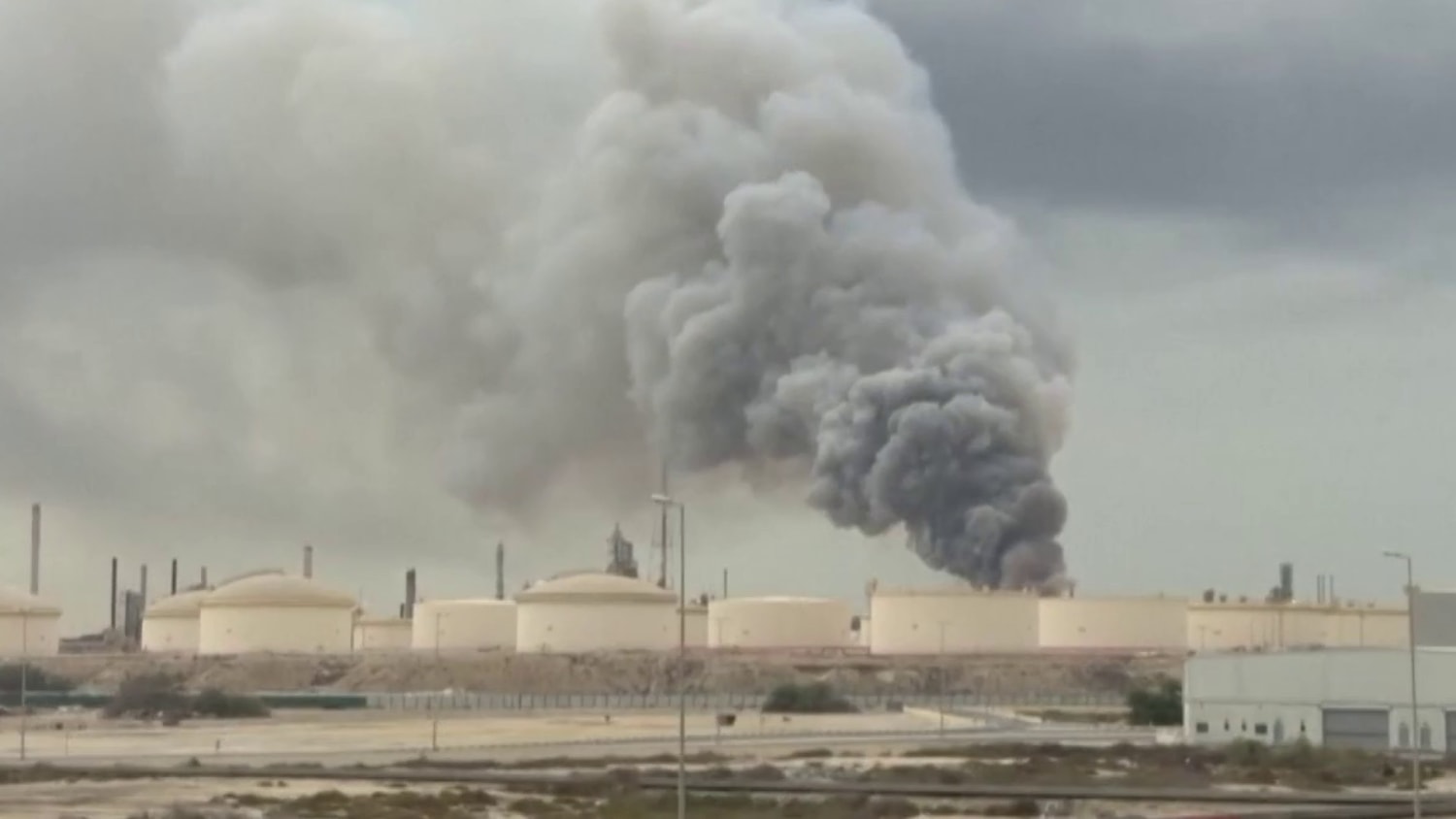
Explosions were reported in several Iranian cities, including Bandar Abbas, Isfahan and Karaj, according to media reports.
President Donald Trump signalled further military action before the strikes, saying Iran had delayed negotiations for too long.
“We hit them hard yesterday, and we’re going to hit them hard again today,” Trump told reporters.
Iran responded within hours, with state media reporting missile attacks on US military facilities in Bahrain and Kuwait. Iranian military officials also claimed to have targeted a military base in Jordan hosting American assets, although there was no independent confirmation of the claim.
The Islamic Revolutionary Guard Corps (IRGC) said retaliatory operations against US forces in the region had begun, while Kuwait said it was responding to missile and drone threats and urged residents to follow official safety instructions.
Iranian President Masoud Pezeshkian said Tehran would not yield to external pressure.
“Iran will stand firm against any pressure or threat,” he said.
The renewed hostilities further undermined a fragile ceasefire reached earlier this year, with both sides accusing the other of sabotaging diplomatic efforts.
The conflict has also drawn India into the crisis after New Delhi said a third vessel carrying Indian sailors had been struck near the Omani coast.
Indian authorities said the Guinea-Bissau-flagged vessel Jalveer, carrying 20 Indian crew members, was hit near the port of Shinas.
Officials said all sailors were safe and evacuation efforts were underway.
The incident followed earlier attacks on the vessels Settebello and Marivex. India’s government said three Indian sailors missing after an attack on Settebello had been confirmed dead.
Shipping Minister Sarbananda Sonowal described the deaths as a “profound loss” and said the government was arranging the repatriation of survivors and the bodies of the deceased.
India has also raised concerns over the safety of thousands of Indian seafarers operating in the Gulf region amid the escalating conflict.
Meanwhile, tensions deepened around the Strait of Hormuz, a critical shipping route through which a significant portion of the world’s oil exports passes.
Iran announced that maritime traffic through the strait had been halted and warned that vessels attempting to transit the waterway would be targeted. Iranian media reported attacks on oil tankers in the area.
The United States disputed claims that shipping had stopped entirely.
“CENTCOM confirms commercial ships are continuing to transit in and out of the Strait of Hormuz,” US officials said.
Trump also asserted that commercial shipping remained operational under US protection and claimed hundreds of vessels had continued to move through the strategic waterway.
Conflicting accounts from Washington and Tehran left the situation in the Gulf unclear, with both sides issuing competing claims regarding shipping activity and military operations.
Financial markets reacted swiftly to the escalating crisis. Brent crude oil rose above USD 95 per barrel amid fears of supply disruptions and shipping risks in the Gulf.
Rising energy prices have already increased inflationary pressures globally, with economists warning that prolonged instability around the Strait of Hormuz could have significant consequences for fuel markets and international trade.
United Nations Secretary-General António Guterres urged all sides to avoid further escalation and return to diplomacy.
“The Middle East is being pulled deeper into crisis, and the consequences reach far beyond the region,” Guterres wrote on X.
“We should not minimise the risks of lesser fire becoming full fire. All parties must work towards a diplomatic settlement.”
Later on Thursday, Trump signalled a possible diplomatic opening, saying he had suspended plans for additional military strikes after receiving indications of progress in discussions with Iran.
“Discussions with the Islamic Republic of Iran have been brought to the highest level of Iranian leadership and approved,” Trump said in a social media post, without providing details.
Despite the apparent diplomatic outreach, military activity continued across the region, underscoring the fragility of the situation and the risk that the confrontation could develop into a wider conflict with major geopolitical and economic consequences.