
Kashmir Impulse Desk
Srinagar, June 16
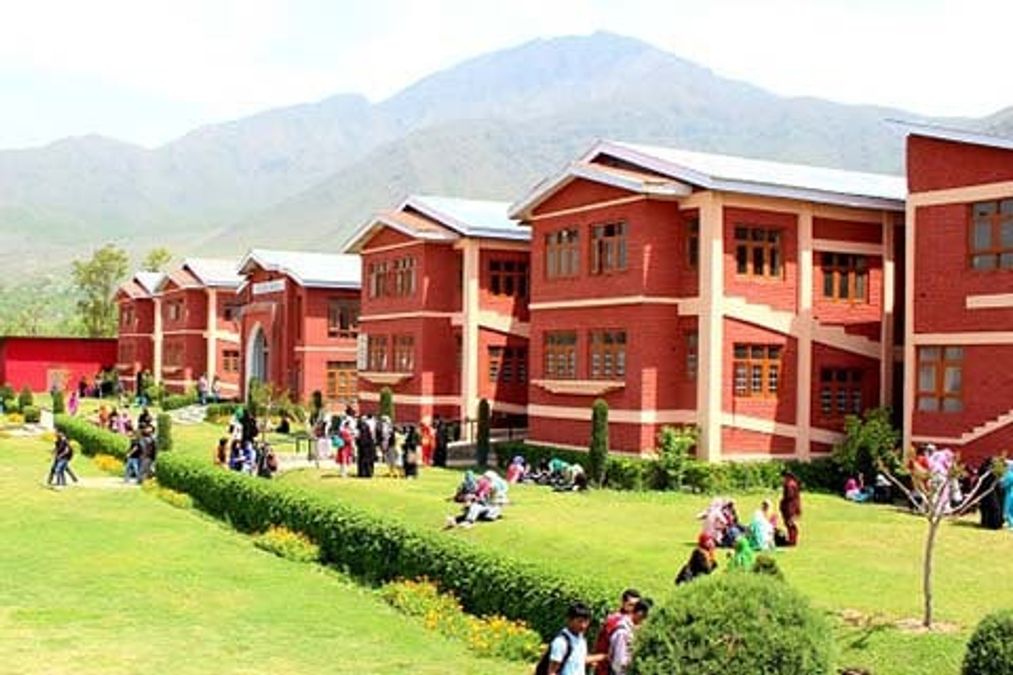
The Islamic University of Science and Technology (IUST) has crossed the milestone of 113 patents, underscoring a growing culture of innovation and technology-driven research at the institution as India seeks to strengthen its position in the global knowledge economy.
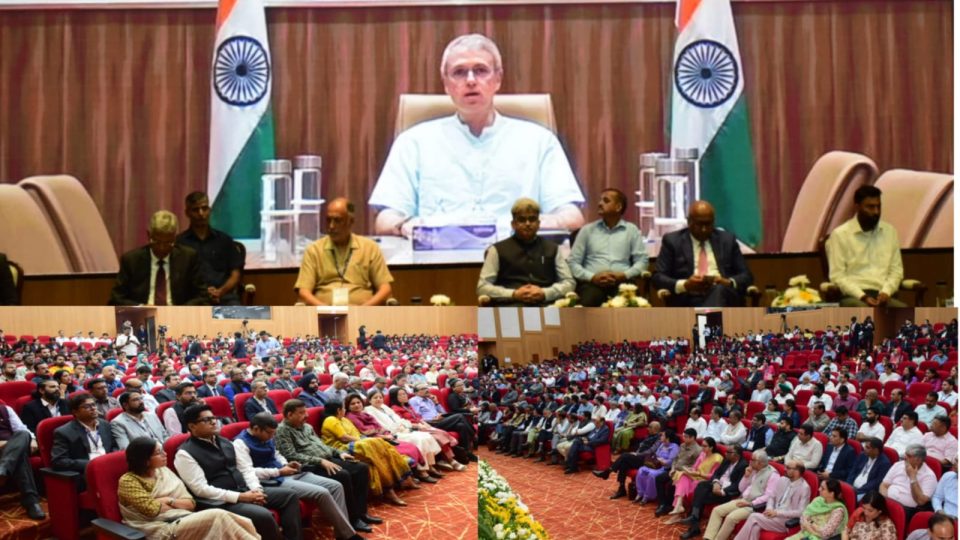
The achievement coincides with the launch of Bharat Innovates 2026 in France, an international platform aimed at showcasing India’s emerging innovation ecosystem and promoting partnerships between Indian startups, researchers and global technology stakeholders.
University officials said the patent milestone reflects years of investment in research infrastructure, entrepreneurship support, and innovation-focused academic programmes designed to encourage the commercialisation of scientific discoveries.
The development marks a significant transformation for a university that has increasingly positioned itself as an innovation-driven institution rather than solely a traditional centre of teaching and research.
Over the last several years, IUST has established incubation centres, innovation hubs, maker spaces and technology-support platforms intended to help students, researchers and entrepreneurs translate ideas into commercially viable products and services.
University authorities said the ecosystem has enabled innovators to move projects from the conceptual stage to patent filing, technology development and startup creation.
The institution’s growing patent portfolio spans multiple disciplines and highlights increasing engagement among faculty members, researchers and students in applied and translational research.
Higher-education experts say patents are increasingly viewed as indicators of research impact because they demonstrate the potential for converting academic discoveries into practical solutions for industry and society.
Officials said the achievement reflects the university’s efforts to align research activities with national priorities focused on innovation, entrepreneurship and self-reliance.
The institution has also sought to strengthen collaboration between academia, industry and government agencies to accelerate technology development and commercialisation.
Through mentoring programmes, funding support and policy incentives, the university has encouraged young innovators to pursue research projects addressing challenges in sectors ranging from healthcare and agriculture to environmental sustainability and digital technologies.
University officials said the patent milestone is also indicative of a broader shift underway in India’s higher-education landscape, where institutions are increasingly expected to contribute to economic growth through innovation and startup creation.
The university’s innovation initiatives have received recognition from the Ministry of Education, which has promoted entrepreneurship and technology development as key pillars of educational reform.
Vice-Chancellor Professor Shakil Ahmad Romshoo said modern universities must evolve beyond their conventional academic role and actively contribute to innovation-led development.
“Universities can no longer function solely as centres of learning and knowledge creation. They must become engines of innovation, enterprise and societal transformation,” Romshoo said.
He said institutions of higher education have a critical responsibility to nurture future innovators and entrepreneurs capable of addressing national and global challenges.
The vice-chancellor added that IUST would continue investing in programmes that encourage creativity, technological innovation and startup development among students and researchers.
“We remain committed to supporting the next generation of innovators, entrepreneurs and job creators who can contribute meaningfully to India’s scientific and socio-economic progress,” he said.
The milestone comes as India seeks to expand its innovation ecosystem through increased research spending, startup promotion and stronger links between academic institutions and industry.
Education policymakers increasingly view universities as important contributors to technological advancement and economic competitiveness, particularly in emerging sectors such as artificial intelligence, renewable energy, biotechnology and advanced manufacturing.
Officials said IUST’s growing patent portfolio demonstrates the potential of institutions in Jammu and Kashmir to participate in national innovation initiatives and contribute to India’s ambition of becoming a global innovation hub.