
Kashmir Impulse Desk
New Delhi, June 15
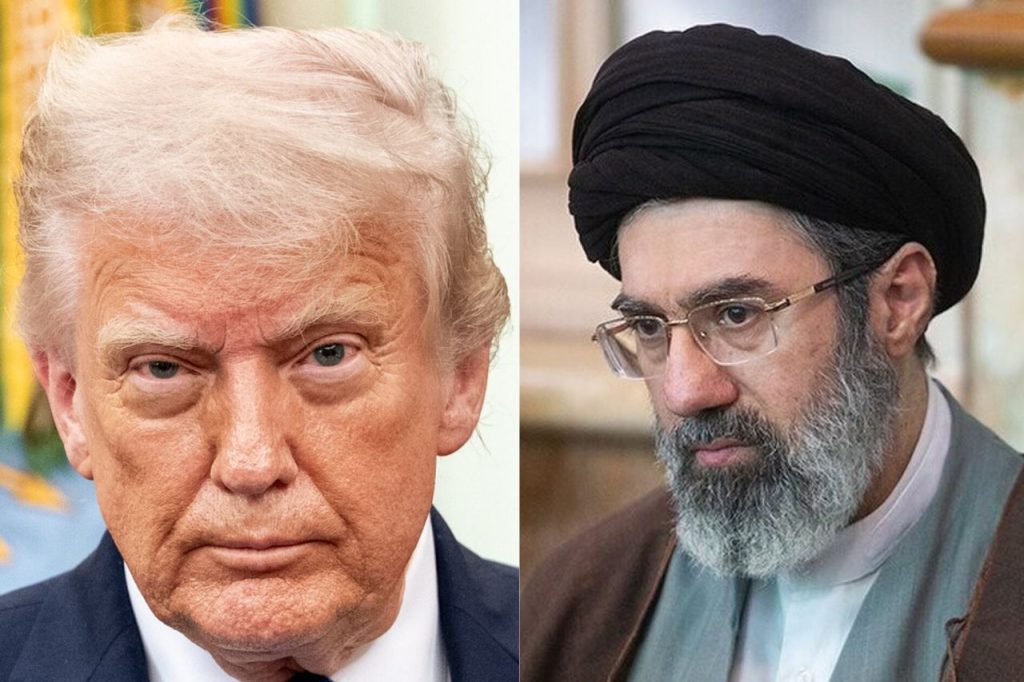
US President Donald Trump announced on Monday that Washington and Tehran had finalised a ceasefire agreement aimed at ending more than three months of conflict in West Asia, paving the way for the reopening of the Strait of Hormuz and raising hopes of a broader regional de-escalation.
In a post on his Truth Social platform, Trump declared the agreement complete and authorised the removal of restrictions on maritime traffic through the strategic Gulf waterway, through which nearly one-fifth of global oil supplies pass.
“The Deal with the Islamic Republic of Iran is now complete. Congratulations to all,” Trump wrote, adding that the United States would remove its naval blockade and permit the reopening of the Strait of Hormuz.
The announcement was later confirmed by Iran’s Deputy Foreign Minister Kazem Gharibabadi, who said the agreement would be formally signed in Geneva on June 19 and that negotiations on sanctions relief, reconstruction assistance and Iran’s nuclear programme would continue over the next 60 days.
The breakthrough follows months of escalating hostilities triggered by US and Israeli strikes on Iranian targets and subsequent disruptions to Gulf shipping routes, developments that rattled global energy markets and raised fears of a wider regional war.
Trump described the agreement as a historic diplomatic achievement and said it would restore stability to the region while easing pressure on global oil supplies. International benchmark Brent crude fell sharply following the announcement as traders anticipated the resumption of normal shipping and energy exports from the Gulf.
Iranian state-linked media reported that a proposed memorandum of understanding includes a permanent ceasefire, reopening of the Strait of Hormuz, phased lifting of the US naval blockade, sanctions relief for Iranian oil exports, reconstruction assistance and renewed commitments by Tehran not to pursue nuclear weapons.
Iranian Foreign Minister Seyed Abbas Araghchi said implementation of the accord would require a complete halt to Israeli military operations in Lebanon and stressed that Washington bore responsibility for fulfilling the agreement’s terms.
The deal has also highlighted Pakistan’s role as a mediator. Prime Minister Shehbaz Sharif told Pakistan’s National Assembly that Islamabad had facilitated contacts between Washington and Tehran and helped advance negotiations that culminated in the agreement.
Sharif described the accord as a “historic milestone” for peace and said Pakistan would host the signing ceremony in Geneva on June 19. He praised Pakistan Army Chief Field Marshal Asim Munir for his role in supporting diplomatic efforts and credited political leaders across party lines for backing the peace initiative.
The agreement, if implemented successfully, would mark the most significant easing of tensions between Washington and Tehran in years, with potentially far-reaching implications for regional security, international trade and global energy markets.