

Kashmir Impulse Desk
Srinagar, Nov 6
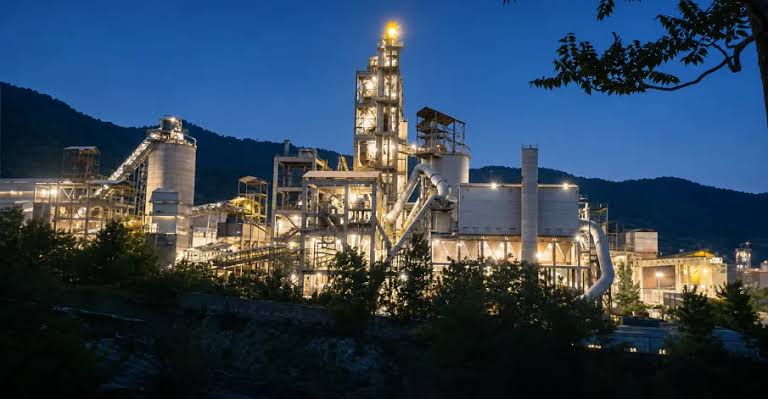
A cement manufacturing plant in Srinagar has introduced artificial intelligence-based automation into its production process, marking the first deployment of advanced process control technology at a cement factory in Jammu and Kashmir.
TCI MAX Cement’s facility has installed ABB Ability Expert Optimiser, a system that combines artificial intelligence (AI), advanced process control and model predictive control to monitor production conditions, anticipate fluctuations and automatically adjust operating parameters.
The technology has been introduced in the pyro-processing stage, one of the most energy-intensive parts of cement manufacturing. The process involves heating raw materials at extremely high temperatures to produce clinker, the intermediate material used to manufacture cement.
The system is designed to analyse operating conditions continuously and predict how the manufacturing process will respond to changes. It can then adjust parameters to stabilise production, improve clinker consistency and optimise the consumption of fuel, electricity and raw materials.
Cement manufacturing requires substantial energy inputs and precise control of operating conditions. Even relatively small variations can affect product quality, resource utilisation and production efficiency.
Advanced process control systems seek to reduce these fluctuations by moving beyond conventional monitoring towards predictive intervention, allowing adjustments to be made before operational variations affect production.
The technology is expected to improve kiln stability, reduce waste and enhance consistency in the manufacturing process. Better control of temperatures, fuel inputs and material flows could also improve energy efficiency and help limit emissions associated with production.
An ABB spokesperson said the Srinagar installation had delivered improvements in productivity, quality and sustainability-related operational indicators following the integration of the company’s technology and supporting information technology infrastructure.
Waseem Ahmed Trumboo, director of Trumboo Industries Pvt Ltd, said the company had introduced the system to improve process stability and operational efficiency while maintaining consistent clinker quality.
He said the initial performance during commissioning had been encouraging and the company expected further benefits as the technology became more integrated into its operations.
ABB India executives said the installation reflected growing interest among cement manufacturers in digital systems that could improve production consistency and help meet sustainability requirements.
The project draws on ABB’s experience in deploying advanced process control systems at cement manufacturing facilities internationally. Its automation business employs around 26,000 people and supplies industrial technologies to sectors including energy, water, manufacturing, materials production and maritime operations.
The installation comes as cement producers face increasing pressure to reduce energy consumption, optimise raw material use and lower the environmental impact of manufacturing.
Cement production involves both substantial energy requirements and emissions generated during the chemical process of clinker production. Digital optimisation cannot eliminate these challenges, but it can help manufacturers improve efficiency and reduce avoidable resource consumption.
For Jammu and Kashmir’s cement sector, the Srinagar installation represents an initial move towards digitally managed industrial production.
Its longer-term impact will depend on whether the technology delivers sustained improvements in energy use, production efficiency and environmental performance.
The system marks a shift from conventional kiln operations, which have traditionally relied heavily on operator monitoring and manual adjustments, towards a process in which predictive software can anticipate changes and respond automatically.