



Praises Srinagar artisan, daughter for reviving traditional mat-making craft, expanding its reach
Kashmir Impulse Desk
Srinagar, July 26
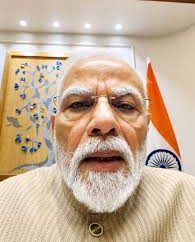
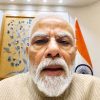
Prime Minister Narendra Modi on Sunday highlighted Kashmir’s traditional waguv mat-making craft in his monthly radio programme ‘Mann Ki Baat’, praising a Srinagar-based artisan and his daughter for helping revive the centuries-old tradition and take the handmade product to markets beyond the Valley.
Modi described waguv as a distinctive and environmentally friendly craft rooted in Kashmir’s traditional way of life, where mats are made from locally available reeds and paddy straw. He said the craft, once a familiar part of Kashmiri households, had declined in popularity in recent years but was now seeing renewed interest.
“When one possesses both talent and the passion to achieve something, every path becomes easy. A glimpse of that is evident in the efforts currently being made regarding Kashmir’s traditional ‘waguv’ mat,” Modi said.
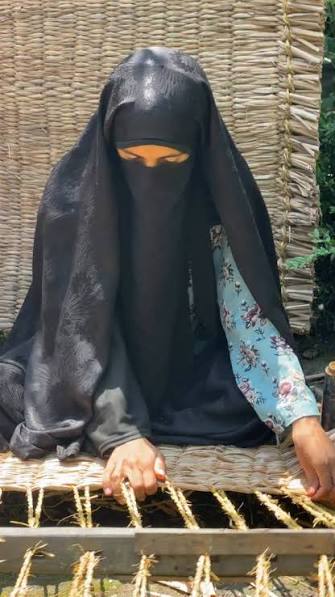
The prime minister said the process begins with harvesting grass and reeds from the marshy areas of Kashmir. The raw material is then dried in the sun and carefully sorted before artisans begin the labour-intensive process of weaving the mats by hand.
According to Modi, it takes about four days for two artisans to complete a single mat, underscoring the amount of time and skilled manual work involved in producing the traditional craft.
He also pointed to the mat’s distinctive functional qualities, saying waguv provides coolness during summer and warmth during winter, making it well suited to the region’s climate and traditional domestic practices.
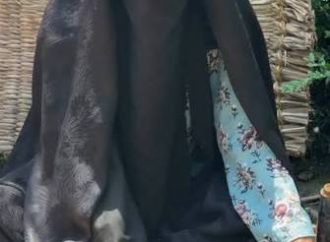
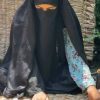
Modi specifically acknowledged the efforts of Srinagar-based artisan Ghulam Hussain and his daughter, Tanzeela, who he said had taken up the challenge of preserving and reviving the craft at a time when its use and popularity had diminished.
“Both dedicated themselves to reviving the tradition of the ‘Vagu’ craft,” Modi said, recalling Hussain’s humble background and the difficulties he faced while attempting to keep the traditional skill alive.
The prime minister said Hussain remained determined to preserve the craft despite the challenges and that his efforts eventually encouraged others to participate in the revival initiative.
He also acknowledged support from the local government, which, he said, helped the artisans develop the craft and expand its reach.
“Today, ‘waguv’ is rapidly gaining popularity and reaching other parts of the country,” Modi said.
The prime minister linked the revival of the craft to the broader campaign to promote indigenous products and encouraged people across the country to incorporate Kashmir’s traditional mats into their homes.
“In this context, do consider making Kashmir’s ‘waguv’ a part of your home as well,” he said.
The national recognition comes at a time when traditional crafts across Kashmir are increasingly being positioned as both cultural heritage and potential sources of sustainable livelihoods.
For artisans working with waguv, the prime minister’s mention is likely to bring wider attention to a craft that relies on locally sourced natural materials and generations-old weaving techniques.
The renewed focus could also help artisans reach new consumers outside Kashmir while preserving the traditional methods and identity associated with the craft.
Modi’s remarks placed the waguv tradition within a wider national conversation about indigenous products, sustainable handicrafts and the promotion of locally produced goods under the government’s “Vocal for Local” campaign.
The recognition also highlights the role of individual artisans and families in keeping traditional skills alive at a time when changing consumer preferences and declining demand have placed several heritage crafts under pressure.