




Every vulnerable village and urban neighbourhood should have a designated warning mechanism
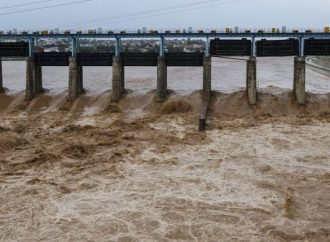
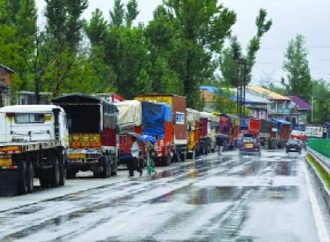
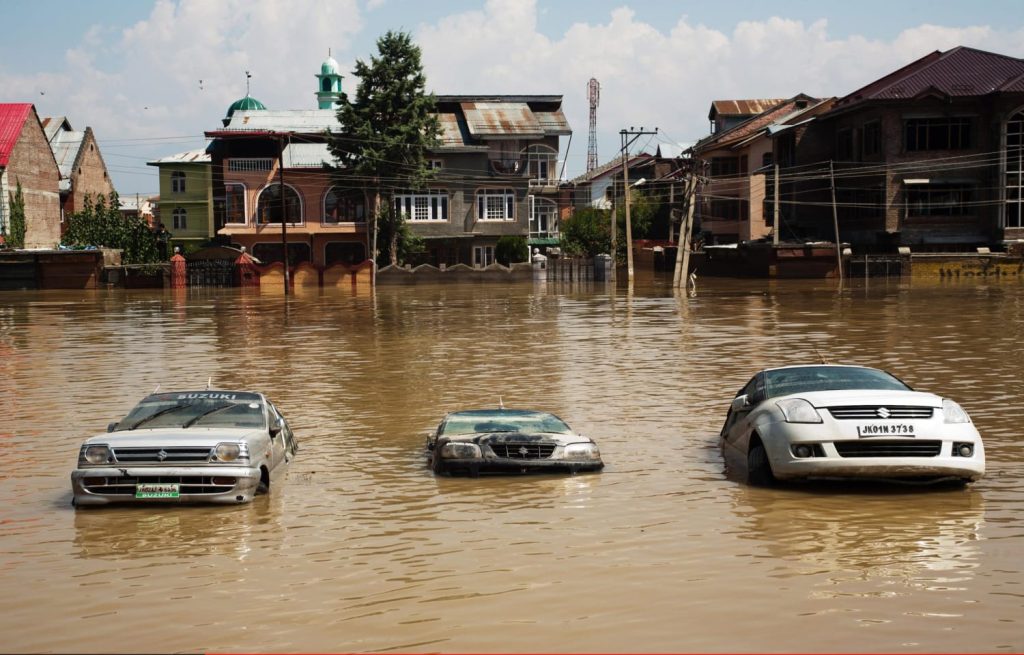
The latest spell of incessant rain across Jammu and Kashmir is yet another warning that flood preparedness cannot remain a seasonal exercise. As the Jhelum rises, streams swell, roads are disrupted and low-lying areas face waterlogging, the immediate priority is, of course, to save lives and provide relief. But once the waters recede, the government must resist the temptation to return to business as usual. Kashmir needs a permanent, scientific and accountable flood-preparedness system.
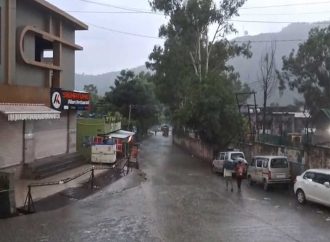
The recent situation has once again demonstrated that flooding in J&K is no longer confined to a single river or a single type of disaster. While the Jhelum basin remains the central concern for the Valley, intense rainfall can simultaneously trigger flash floods, landslides and urban flooding across different districts. Reports of deaths and destruction in the Jammu region, alongside waterlogging in Srinagar and rising river levels, underline the need for a comprehensive approach rather than isolated district-level responses.
The first requirement is an early-warning system that reaches the last household. Forecasts and river-level data are useful only when translated into timely, clear and localised warnings. Every vulnerable village and urban neighbourhood should have a designated warning mechanism, clearly marked evacuation routes and identified safe shelters. Authorities must regularly test these systems through mock drills, rather than activating them only when an emergency is already unfolding. Communities must know where to go, whom to contact and what to do when the warning comes.
Second, the government must complete, review and publicly monitor long-pending flood-management works. Concerns about dredging, restoration of wetlands and improvements to flood channels cannot be brushed aside. The focus should not be on cosmetic or short-term interventions, but on restoring the natural capacity of the Jhelum basin to absorb and carry excess water. Wetlands must be protected as critical flood buffers, not treated as vacant land available for construction. Any development that compromises natural water channels or flood-retention areas will only increase the risks faced by future generations.
Third, Srinagar’s urban drainage requires a fundamental rethink. The recurring spectacle of roads and commercial areas becoming waterlogged after intense rainfall points to a problem that cannot be solved by pumping water after every downpour. Drainage networks must be comprehensively mapped, regularly desilted and upgraded to cope with changing rainfall patterns and future climate risks. Every major infrastructure project should undergo a flood-impact assessment. Encroachments that obstruct natural drainage channels must be identified and dealt with firmly, transparently and without political considerations.
Fourth, the administration needs a single, integrated command structure for flood emergencies. The Disaster Management Authority, district administrations, police, fire and emergency services, health department, municipal bodies, SDRF, NDRF and other response agencies must operate through a clearly rehearsed coordination plan. Rescue boats, life jackets, pumps, emergency medical supplies, communication equipment and temporary shelters should be pre-positioned in vulnerable districts before the monsoon intensifies. The effectiveness of a disaster response is often determined by what is in place before the disaster strikes.
Finally, preparedness must be measurable and accountable. The government should publish an annual flood-readiness report detailing the status of flood-control projects, drainage works, rescue equipment, shelters, warning systems and evacuation plans. Independent technical audits should identify gaps, while district administrations should be evaluated on actual preparedness rather than the number of meetings conducted or advisories issued.
Kashmir has already paid a terrible price for inadequate flood preparedness. The lesson of every major flood is the same: prevention is cheaper, faster and more humane than rescue and reconstruction. The government must therefore treat every episode of extreme rainfall as a stress test and every flood warning as an opportunity to identify weaknesses before lives are at risk.
The objective should be simple – not to promise that floods will never happen, but to ensure that when the next one comes, Kashmir is ready.