




Authorities to roll out centralised digital parking system as urban bodies prepare management plans within 6 months
Kashmir Impulse Desk
Srinagar, July 9
Jammu and Kashmir has introduced a new parking policy requiring cashless payment of parking fees, authorising wheel-clamping for non-payment and directing urban local bodies to prepare scientific parking management plans within six months, according to rules notified by the government.
The Jammu and Kashmir Parking Rules, 2026, notified by the Housing and Urban Development Department under the Jammu and Kashmir Municipal Act, will apply to all municipal corporations, councils and committees across J&K.
The rules aim to regulate on-street and off-street parking, improve traffic management and introduce technology-based monitoring of parking operations.
Under the new framework, all parking charges and penalties must be paid digitally through a Central Parking Management System (CPMS), which the government plans to implement across urban areas.
Motorists will be required to register their vehicles and mobile phone numbers with the system and will be able to start and end parking sessions through a mobile application or text message, with fees calculated according to the duration of parking.
The system will also support payments through the National Common Mobility Card, debit and credit cards, internet banking and other digital platforms.
The rules require all parking revenue and penalties collected through the CPMS to be deposited into escrow accounts maintained by the relevant urban local bodies.
Authorities have also introduced stricter enforcement measures for parking violations.
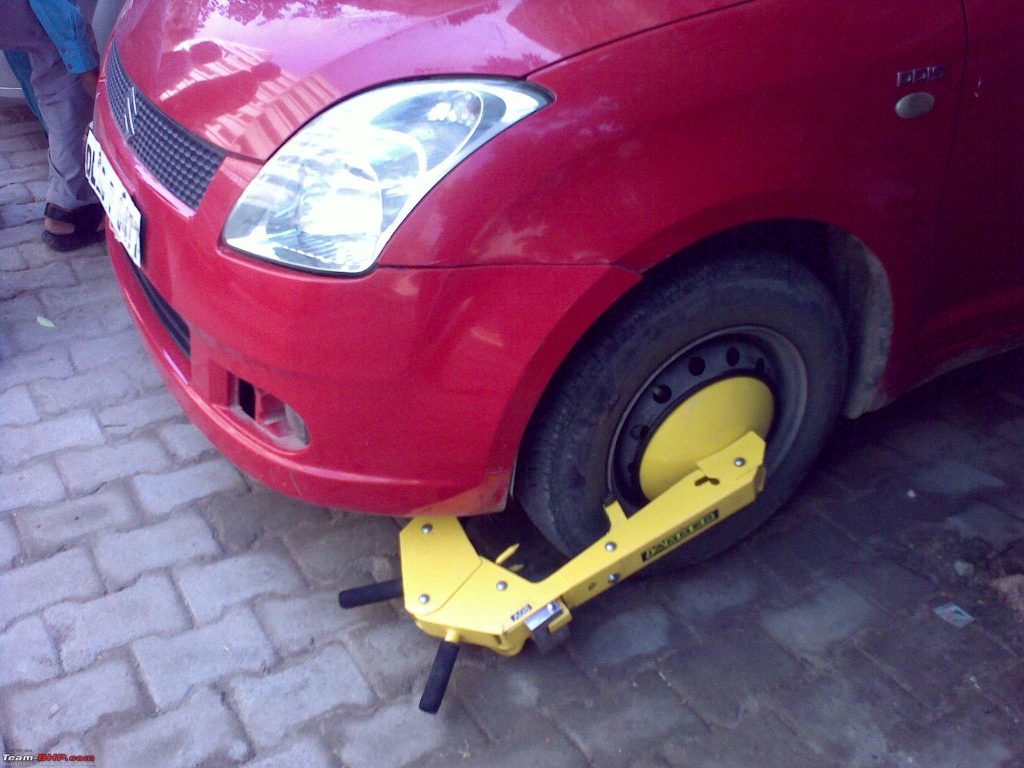
Enforcement officers will be authorised to immobilise vehicles whose owners fail to pay parking charges after recording photographic evidence and notifying the central parking system. Vehicles will be released only after payment of the applicable fines through the digital platform.
The rules also empower authorities to immediately tow vehicles obstructing traffic or emergency services, while violations including parking on footpaths or cycle tracks, occupying multiple parking spaces, parking against the direction of traffic and overstaying in designated parking areas will attract penalties.
The parking system will be monitored through the Integrated Command and Control Centre (ICCC), allowing authorities to track occupancy, payments and enforcement activities in real time.
The government has also made electric vehicle charging infrastructure mandatory at parking facilities, requiring at least 10% of equivalent car spaces to be equipped with charging points.
Only parallel parking will be permitted on public roads under the new rules.
Private landowners will be allowed to operate commercial parking facilities after obtaining licences from the relevant urban local bodies, with incentives to be offered to women and differently abled landowners.
The government has directed all urban local bodies to prepare Parking Area Management Plans within six months to assess parking demand and identify suitable parking facilities around hospitals, airports, educational institutions, shopping centres, and other public places.