



‘It’s an opportunity to showcase J&K’s tradition of selfless service, compassion, hospitality’
Kashmir Impulse Desk
Srinagar, June 27
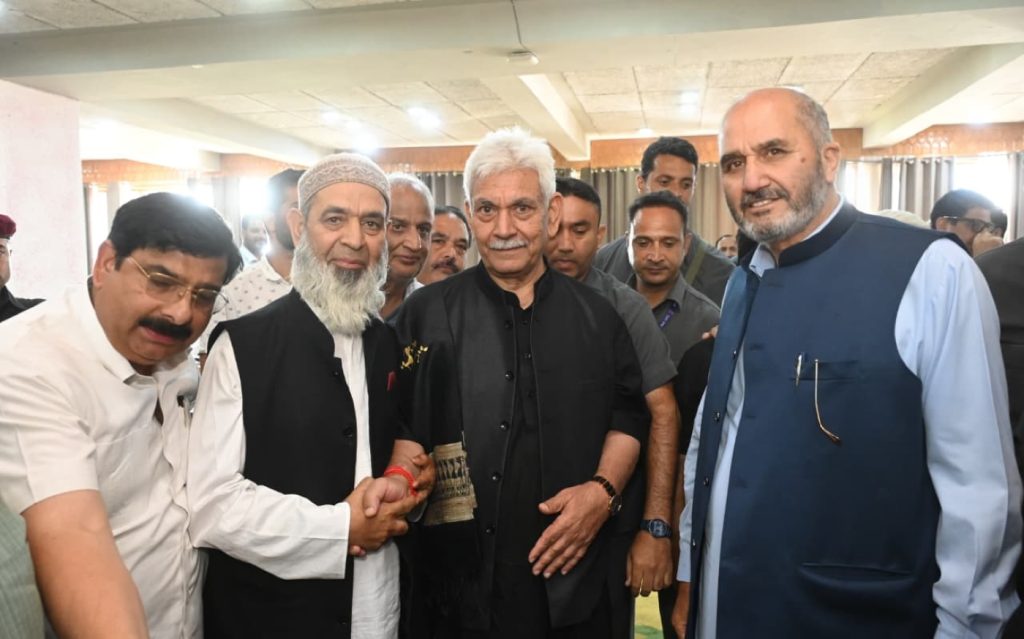
Lieutenant Governor Manoj Sinha on Saturday called on religious leaders, business groups and civil society organisations to help ensure the smooth conduct of this year’s Amarnath Yatra, describing the annual Hindu pilgrimage as a symbol of communal harmony and collective public service in the Himalayan region.
Addressing a meeting with representatives of religious bodies, trade associations and community organisations in Srinagar, Sinha urged all sections of society to contribute towards providing a safe and welcoming environment for pilgrims expected to arrive in large numbers when the annual pilgrimage begins on July 3.
The meeting forms part of the administration’s outreach ahead of the nearly two-month pilgrimage to the Amarnath cave shrine in south Kashmir, one of Hinduism’s holiest shrines, which draws hundreds of thousands of devotees from across India each year and requires extensive logistical and security preparations.
“The Amarnath Yatra is an opportunity to showcase Jammu and Kashmir’s tradition of selfless service, compassion and hospitality,” Sinha said.
“As devotees undertake this sacred journey, let us transform our devotion into compassionate action and ensure that every pilgrim returns with a memorable spiritual experience.”
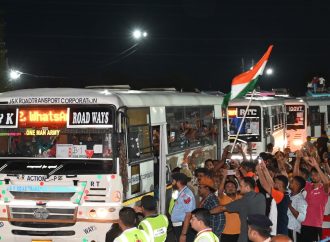
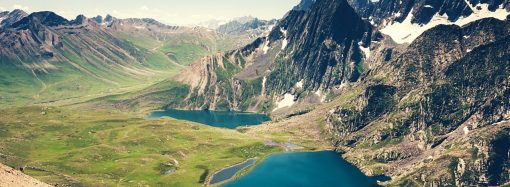
The pilgrimage, organised by the Shri Amarnathji Shrine Board (SASB), will conclude on August 28 after traversing the traditional Pahalgam route and the shorter Baltal route through the Kashmir Himalayas.
Authorities have been reviewing arrangements covering security, healthcare, transport, sanitation, accommodation, communication and disaster management in preparation for the annual event, which represents one of the largest seasonal logistical operations in Jammu and Kashmir.
Sinha said the pilgrimage had, over centuries, become more than a religious event, serving as a reflection of the region’s culture of coexistence and public service.
“Every year the world witnesses people belonging to different faiths and communities coming together to serve the pilgrims,” he said.
“That spirit of unity is our greatest strength.”
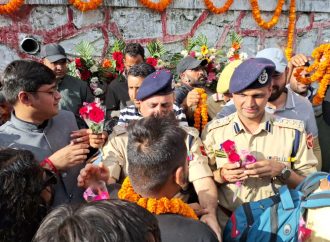
The Lieutenant Governor appealed to civil society organisations to continue what he described as a long-standing tradition of supporting the pilgrimage, saying their participation remained essential to ensuring that pilgrims experienced safety, dignity and hospitality throughout their stay.
“You are custodians of our spiritual and cultural traditions,” he told participants. “Generation after generation, society has helped preserve the ancient heritage of Baba Amarnath.”
He said improvements carried out over recent years had significantly modernised the pilgrimage’s infrastructure, including wider roads, upgraded communication facilities and better public amenities.
“The yatra today is supported by world-class facilities,” Sinha said, adding that continuous investments had made the pilgrimage safer and more comfortable for devotees.
The meeting was attended by representatives of religious organisations, social groups, traders’ associations and elected representatives, along with senior civil and police officials involved in coordinating arrangements for the pilgrimage.
Participants assured the administration of their support for the successful conduct of the yatra and welcomed improvements made in infrastructure, healthcare, sanitation, security and other facilities over recent years.
Several attendees also offered suggestions aimed at further improving pilgrim services, crowd management and coordination among different agencies.
Sinha said the administration would examine all constructive recommendations and incorporate them wherever feasible.
The annual Amarnath Yatra remains one of India’s most significant religious pilgrimages and a major administrative exercise in Jammu and Kashmir, requiring coordination among the civil administration, security forces, disaster response agencies and thousands of volunteers.
Beyond its religious significance, the pilgrimage provides an important seasonal boost to Kashmir’s economy, generating income for transport operators, pony owners, porters, hoteliers, traders and small businesses that depend heavily on tourism and pilgrimage-related activity.
Officials have said elaborate security and logistical arrangements are being put in place to facilitate the smooth conduct of the pilgrimage amid challenging mountainous terrain and rapidly changing weather conditions.