
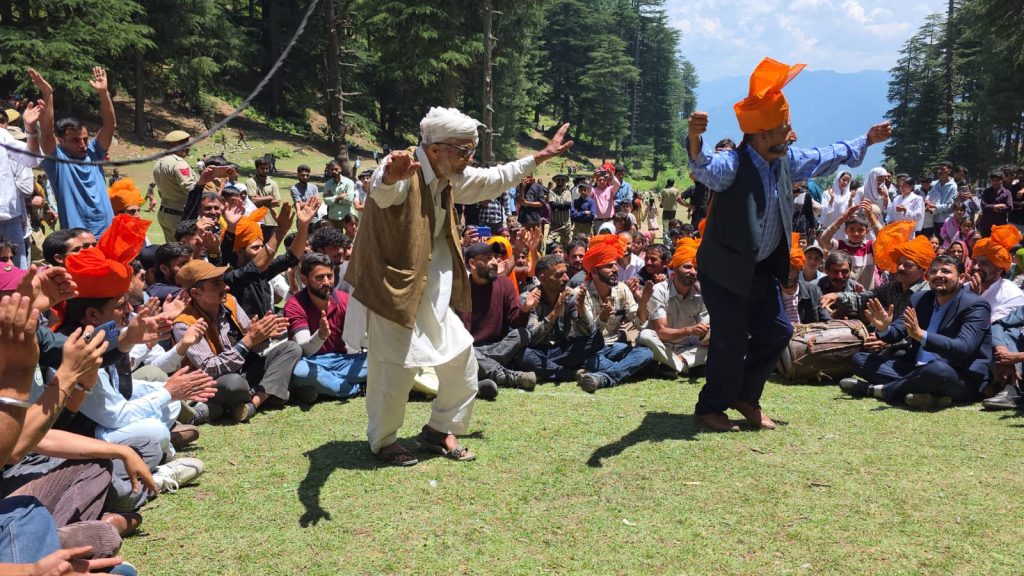
Cultural performances remained principal attraction throughout the festival with local artists presenting traditional folk songs and dances
Kashmir Impulse Desk
Ramban, June 21
The maiden edition of Sarazi Mela concluded on Sunday in the remote Bajkote-Dhandrath area of Ramban district, drawing large crowds and highlighting efforts by local communities and authorities to preserve the unique cultural identity of the Sarazi-speaking region while promoting tourism and rural development in the mountainous district.
The two-day festival, organised jointly by the district administration and the Directorate of Tourism Jammu in collaboration with the Sarazi Mela Committee, brought together artists, artisans, sportspersons, community leaders and residents from across the district under the theme, ‘Preserving Culture, Promoting Heritage, Inspiring Youth.’
The event reflected growing efforts in J&K to revive local cultural traditions and use heritage-based tourism as a tool for economic development in rural and lesser-known regions.
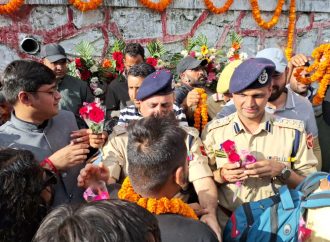
The concluding ceremony was attended by Ramban legislator Arjun Singh Raju, Deputy Commissioner Muhammad Alyas Khan, senior administrative and police officers, social activists and representatives of local communities.
Throughout the festival, cultural performances remained the principal attraction, with local artists presenting traditional folk songs and dances that reflected the customs and oral traditions of the Sarazi-speaking belt, a culturally distinct region located in parts of Ramban district.
A traditional Kud dance performance received enthusiastic applause from spectators and emerged as one of the highlights of the event.
Organisers said the festival was designed not only as a cultural celebration but also as a platform for preserving traditions that face increasing pressure from urbanisation, migration and changing lifestyles.
An exhibition showcasing handicrafts, traditional artefacts and locally produced goods attracted significant attention, providing artisans with an opportunity to market their products and promote the region’s artistic heritage.
Officials said such initiatives were essential for sustaining traditional skills and generating livelihood opportunities in rural areas.
Addressing the gathering, Raju said preserving local culture was as important as promoting physical infrastructure and economic development.
He emphasised the need to encourage greater participation of young people in cultural activities and sports, arguing that such engagement helps strengthen community identity and social cohesion.
Announcing an allocation of Rs 10 lakh from his Constituency Development Fund, the legislator said the funds would be used for improving the Dhandrath-Bajkote road, a project that local residents have long identified as a priority.
Improved connectivity remains a key challenge for many villages in Ramban district, where difficult terrain often limits access to markets, education and healthcare facilities.
Deputy Commissioner Khan said the administration would pursue inclusion of the road under the Pradhan Mantri Gram Sadak Yojana (PMGSY), describing better connectivity as critical for unlocking tourism potential and facilitating socio-economic development.
He said festivals such as Sarazi Mela not only preserve local culture but also create opportunities for attracting visitors to previously overlooked destinations.
Tourism officials have increasingly focused on promoting lesser-known regions of Jammu and Kashmir as part of a broader strategy to diversify visitor traffic beyond traditional destinations.
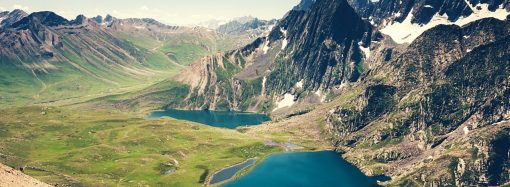
The Sarazi-speaking belt, known for its distinct cultural traditions, scenic landscapes and rich folklore, has remained relatively unexplored compared with more established tourist circuits.
Participants said the strong public response demonstrated local enthusiasm for initiatives that celebrate regional identity.
As the festival concluded, organisers expressed hope that Sarazi Mela would become an annual event and serve as a catalyst for cultural revival, tourism promotion and community participation in the years ahead.