


Then the electricity goes. The fans pause mid-turn. Air coolers fall silent. The hum disappears all at once.
As falling river discharge cuts hydroelectric generation and summer heat pushes demand higher, Syed Sameer Ahmad Nazki traces how recurring power outages are reshaping daily life across Jammu, turning electricity from a utility into a shared uncertainty.
By late afternoon in Jammu, the heat begins to harden.
It rises off the roads in waves and settles against shutters, rooftops and parked scooters until even the walls feel warm to the touch. Ceiling fans spin heavily, moving hot air from one corner of the room to another. Shopkeepers stand in doorways with hand towels draped over their shoulders. Children gather near refrigerators waiting for cold water. The city slows, but the heat does not.
Then the electricity goes. The fans pause mid-turn. Air coolers fall silent. The hum disappears all at once.
And in neighbourhoods across Jammu over the past week, what follows is familiar: a collective waiting in the darkened stillness for power to return.
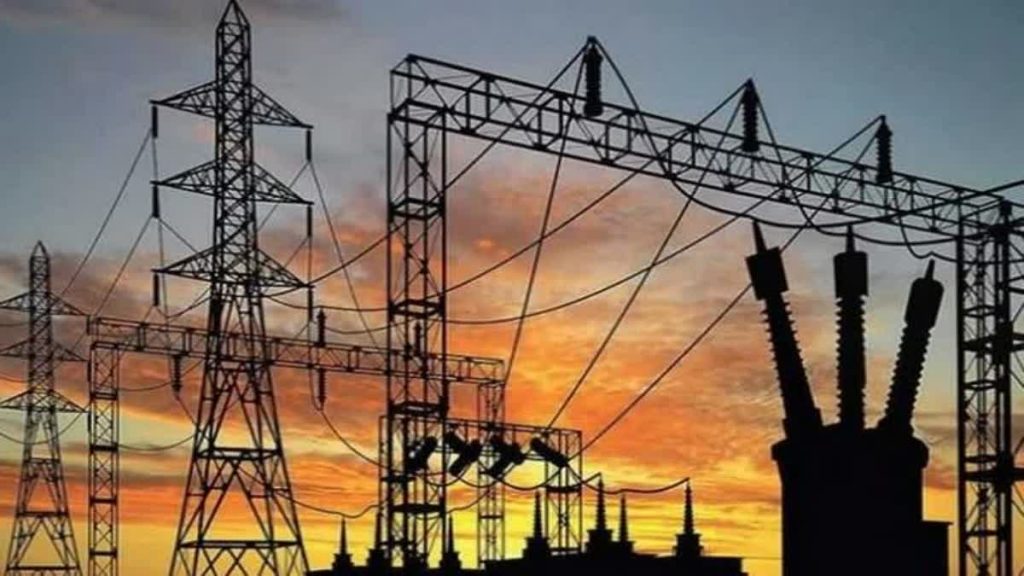
On Sunday, the Jammu Power Distribution Corporation Limited said lower water discharge in rivers had reduced hydroelectric generation in the region, worsening the gap between demand and supply at precisely the moment when demand is surging. Water flow in the Chenab basin has declined. Power generation has fallen. Summer temperatures are rising. The grid is under pressure.
The result has been felt not in official statements first, but inside homes.
In Janipur, families have begun adjusting their routines around uncertain outages. In Kathua, residents say scheduled cuts blend into unscheduled ones until no one knows whether the power is expected back in an hour or five. In old neighbourhoods of Jammu city, in Patel Bazar and Peer Mitha, people wake early to fill water before supply drops, charge phones while they can and finish chores before the next cut begins.
For many households, electricity is no longer background infrastructure. It has become the central uncertainty around which the day is organised.
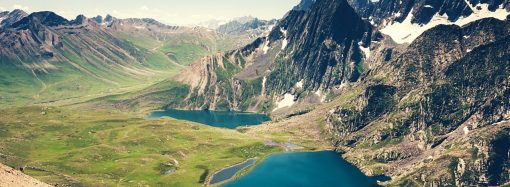
This is the paradox of power in Jammu and Kashmir: a region defined by rivers, mountains and hydroelectric promise still finds itself vulnerable to the simplest shift in nature—less water moving downstream.
Hydropower has long been imagined as both resource and reassurance here. Rivers descending through the Himalayas power turbines, which power grids, which power homes. But rivers obey seasons more than systems.
In spring and early summer, discharge can fluctuate sharply depending on snowmelt, rainfall and temperature. A delayed melt, reduced precipitation or prolonged dry spell can slow flow just enough to reduce generation. When that happens during peak summer demand, the shortage becomes immediate.
And summer demand in Jammu is relentless.
Unlike Kashmir valley, where evenings can still cool, the Jammu plains trap heat deep into the night. Air conditioners run longer. Coolers remain switched on for hours. Refrigeration load rises. Water pumps work harder. Electricity becomes not a luxury but a mechanism of endurance.
When it disappears, the effects move quickly beyond discomfort.
Small businesses suffer first. Bakers managing refrigeration units, pharmacists storing temperature-sensitive medicines, welders in workshops, tailors running machines through long afternoons – many depend on uninterrupted supply to keep work moving. A few hours without power becomes lost income.
Then there is domestic labour. In many homes, outages mean meals delayed, water tanks unfilled, children restless and elderly relatives struggling through the heat. For those caring for patients or running medical devices at home, the anxiety is sharper.
Generators fill part of the gap, but not for everyone. Inverters help, until batteries drain. After that comes waiting.
And waiting, in summer heat, feels longer than time.
JPDCL says it is attempting to procure additional power to manage the deficit and has urged consumers to use electricity judiciously. It is a familiar appeal, and not an unreasonable one. Conservation matters. Peak demand can overwhelm any grid. But residents often hear such requests with fatigue.
Because conservation, too, depends on privilege.
A family already using one fan and minimal lighting has little left to reduce. A shopkeeper cannot preserve stock without refrigeration through restraint alone. Judicious use means different things in different homes.
The deeper issue is not only demand but dependence—on hydrology, on seasonal conditions and on an ageing infrastructure that remains vulnerable to both climate and consumption.
Across the Himalayas, water cycles are changing. Snow patterns are shifting. Summers are arriving earlier and hotter. River behaviour is becoming less predictable. Energy systems built around seasonal assumptions are being forced to adapt.
Jammu is feeling that adaptation in real time.
What makes the outage visible is not simply darkness, but interruption—the way modern life reveals its wiring only when that wiring fails.
The elevator stalls between floors. The Wi-Fi router blinks out. The cooler stops. A phone battery drops to 2 percent. The kitchen falls quiet. The room warms by degrees.
Then people move outdoors – to verandas, rooftops, roadside tea stalls—searching for air and conversation while waiting for current to return.
By evening, entire neighbourhoods begin to resemble each other in this pause. Men seated on plastic chairs outside shuttered shops. Children playing cricket in alleys before sunset. Women standing on balconies looking toward nearby houses to see if lights have returned there first.
Sometimes one lane glows while the next remains dark.
People notice immediately.
“Has yours come back?” “Not yet.” “How long?” “Since afternoon.”
And so electricity becomes social knowledge, passed house to house.
Eventually, sometime later, the fans stir again. Tube lights flicker to life. A refrigerator hum resumes. Phone chargers reappear in sockets across the city. Daily life restarts mid-sentence. Until the next cut.
And beneath each outage lies a reminder larger than inconvenience—that in Jammu and Kashmir, the journey from river to household remains fragile, shaped by mountain snow, summer heat and the uncertain movement of water itself.
About the Author
Syed Sameer Ahmad Nazki is filmmaker with command over film editing. With a parallel interest in videography, Nazki gravitates toward stories that live at the intersection of image and emotion. Away from the edit table, he remains an engaged observer of sport, particularly cricket and football.











Leave a Comment
Your email address will not be published. Required fields are marked with *