



Rao shared his experience working on major Himalayan infrastructure projects, including the Chenab Bridge and the Anji Khad Bridge being developed
Kashmir Impulse Desk
Srinagar, May 16
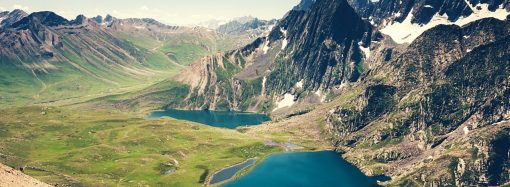
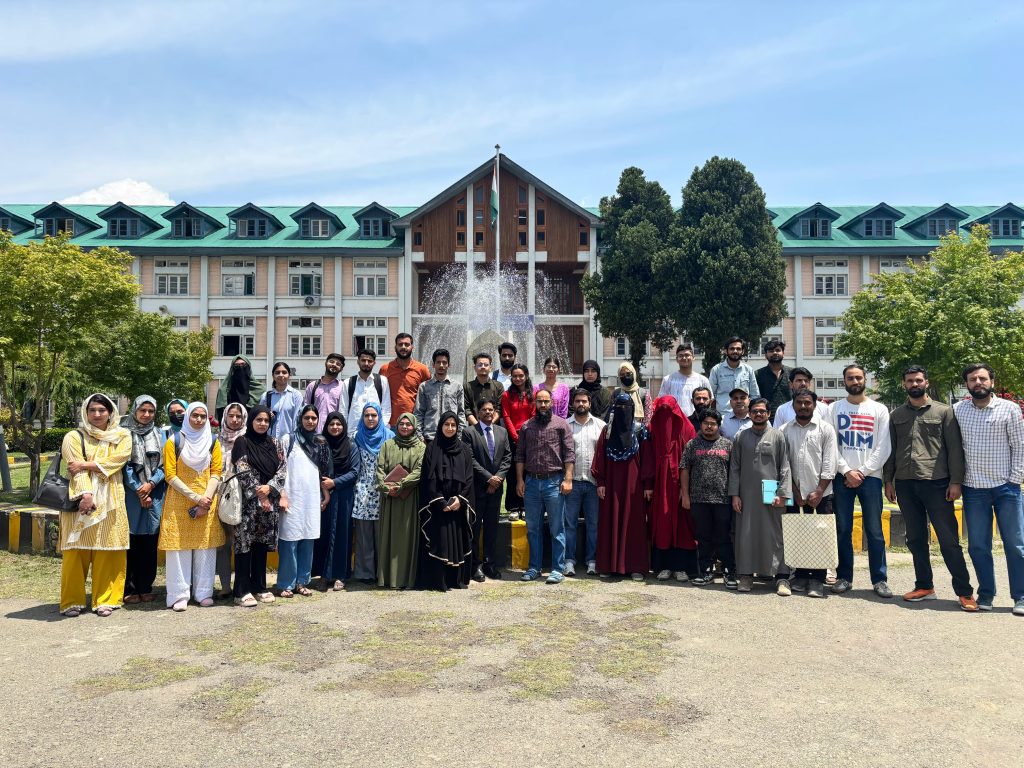
Engineers and infrastructure experts discussed sustainable construction technologies and challenges of building in mountainous terrain during a two-day lecture series at National Institute of Technology Srinagar focused on Himalayan engineering and geotechnics.
The programme, ‘Engineering in the Himalayas: Advances in Rock Mechanics and Ground Improvement’, was organised by the institute’s Civil Engineering Department in collaboration with the Indian Geotechnical Society Srinagar Chapter, according to a statement issued by NIT Srinagar.
The event brought together faculty members, engineering students and experts in geotechnical and infrastructure engineering to deliberate on sustainable and resilient infrastructure development in the Himalayan region.
Among the speakers were K Seshagiri Rao and Arif Ali Baig, who addressed emerging engineering challenges and technological innovations related to construction in difficult mountainous terrain.
Baig spoke on the role of polymer biogeotechnics in sustainable environmental engineering and stressed the importance of eco-friendly ground improvement techniques. He encouraged students to pursue research in sustainable engineering practices.
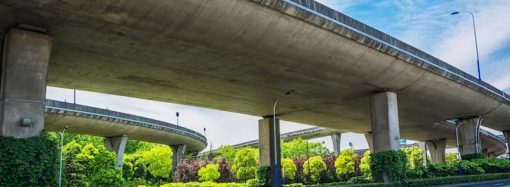
Rao shared his experience working on major Himalayan infrastructure projects, including the Chenab Bridge and the Anji Khad Bridge being developed under the Udhampur-Srinagar-Baramulla Rail Link project.
He discussed the geological and technical challenges faced during the construction of large-scale projects in the Himalayas and highlighted the role of collaboration between researchers and executing agencies.
In a separate session, Rao also spoke on tunnelling in complex Himalayan terrain, citing examples from the Chenani-Nashri Tunnel and the Pir Panjal Railway Tunnel.
Organisers said the lecture series aimed to bridge the gap between academic research and practical engineering applications while encouraging students to contribute to sustainable infrastructure development in ecologically sensitive mountain regions.














Leave a Comment
Your email address will not be published. Required fields are marked with *