





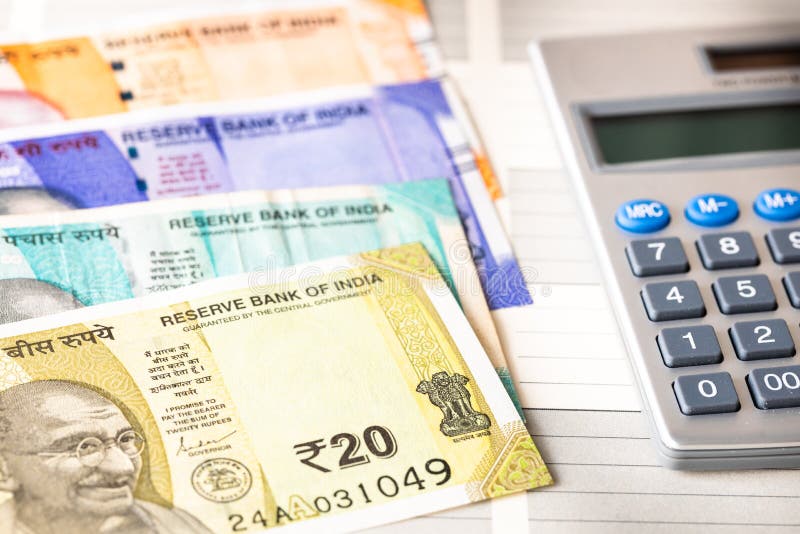
Maecenas mauris elementum, est morbi interdum cursus at elite imperdiet libero. Proin odios dapibus integer an nulla augue pharetra cursus.
Audit flags Rs 23,911 crore in off-budget borrowing
Kashmir Impulse Desk
Jammu, March 31
The government of Jammu and Kashmir relied heavily on off-budget borrowing through state-run companies, raising nearly Rs 23,911 crore that bypassed J&K’s main treasury system, according to a new audit by the Comptroller and Auditor General of India.
The funds, raised through public sector undertakings, did not flow into the Consolidated Fund – the central pool through which government revenues and expenditures are typically routed – but must still be repaid through the budget, the report said, highlighting concerns about transparency and long-term fiscal pressure.
The findings, part of the auditor’s review of J&K’s finances for 2022-23, offer a detailed look at a fiscal system balancing rising obligations, dependence on federal support and an expanding debt burden.
While the territory posted a revenue surplus of Rs 5976.61 crore during the year – equivalent to 2.62 percent of its gross domestic product – the broader picture, the audit suggests, is more complex.
When off-budget borrowings are included, overall public liabilities rise sharply, reaching nearly 23 percent of the region’s economic output.
Debt has grown rapidly in recent years.
According to the report, public debt more than doubled between 2020-21 and 2022-23, climbing from about Rs 10,568 crore to Rs 23,240 crore.
As a share of the economy, debt levels and interest payments have both increased, trends the auditors said point to weakening sustainability.
Even as fiscal indicators improved on the surface – with the deficit narrowing to 2.13 percent of output – much of the government’s borrowing was used to service existing debt.
In 2022-23, more than 87 percent of current borrowings went toward repaying earlier loans, leaving relatively little for infrastructure or development spending.
The report also pointed to structural imbalances in the government’s finances.
Revenue expenditure – spending on salaries, pensions and interest payments – continued to dominate, accounting for more than four-fifths of total expenditure.
Within that, so-called “committed spending” consumed roughly three-quarters of revenue outlays, limiting fiscal flexibility.
“An upward trend in committed and inflexible expenditure leaves the government with less room for priority sectors and capital creation,” the auditors said.
The territory remains heavily reliant on financial support from New Delhi.
Grants from the central government made up nearly three-quarters of total revenue receipts in 2022-23, underscoring limited capacity for generating local revenue.
At the same time, the audit flagged weaknesses in financial reporting.
It identified instances of misclassification, including more than Rs 219 crore in spending that was recorded under capital expenditure instead of revenue expenditure, potentially overstating investment in assets.
The report also said that the government had not set clear fiscal targets in its medium-term policy framework, raising questions about long-term planning.
Despite a shift from primary deficit to primary surplus in the latest fiscal year, the audit concluded that current trends may not be sufficient to stabilise debt levels, particularly as liabilities continue to rise faster than economic growth.
Taken together, the findings paint a picture of a government managing short-term pressures while facing deeper structural challenges – where headline improvements coexist with growing obligations just beneath the surface.














2 Comments
Linda Gareth
March 2, 2015, 12:20 pmDonec ipsum diam, pretium maecenas mollis dapibus risus. Nullam tindun pulvinar at interdum eget, suscipit eget felis. Pellentesque est faucibus tincidunt risus id interdum primis orci cubilla gravida.
REPLYLian Holden
March 6, 2015, 2:59 pmMaecenas dolor, sot donec ipsum diam, pretium gravida nulla maecenas mollis dapibus risus. Nullam tindun pulvinar at interdum eget, suscipit eget felis. Pellentesque est faucibus tincidunt.cubilla gravida.
REPLY