


Inspects deployments as authorities enforce curbs across Srinagar downtown
Kashmir Impulse Desk
Srinagar, July 13
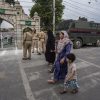
Director General of Police Nalin Prabhat on Monday reviewed security arrangements in Srinagar’s old city as authorities enforced extensive restrictions to prevent gatherings marking the anniversary of the 1931 Kashmir killings.
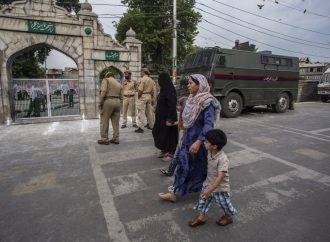
Prabhat, accompanied by Inspector General of Police V.K. Birdi and other senior officers, visited key locations in downtown Srinagar, including the area around the Martyrs’ Graveyard at Naqshband Sahab, where police and paramilitary personnel maintained heavy security deployments throughout the day.
The police chief inspected barricades, reviewed operational preparedness with field officers, and assessed the security situation at sensitive locations, police officials said.
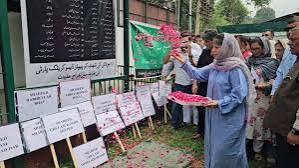
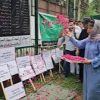
Authorities had earlier sealed roads leading to the graveyard and imposed restrictions across several parts of the old city, preventing political leaders and members of the public from offering tributes to the 22 protesters killed outside Srinagar Central Jail on July 13, 1931.
The security measures came amid concerns over possible public gatherings on the anniversary, which was observed as an official Martyrs’ Day in the former state of Jammu and Kashmir until the region was reorganised into two federally administered territories in 2019.
The government subsequently removed July 13 from the list of gazetted holidays, ending official commemorations that had traditionally been held at the graveyard.
Police said Monday’s deployment was a precautionary exercise aimed at maintaining law and order and preventing any untoward incidents. Security personnel were stationed across key intersections and access routes in downtown Srinagar, while movement into the Naqshband Sahab area remained tightly controlled.
Prabhat’s visit formed part of the administration’s broader security review during a period that authorities consider sensitive because of the potential for political mobilisation.
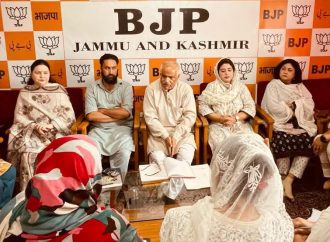
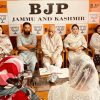
The restrictions drew criticism from several mainstream political parties, whose leaders said they had been prevented from visiting the graveyard. Authorities, however, maintained that the measures were necessary to ensure public order.