




US-Iran talks postponed, Strait of Hormuz reopens
Kashmir Impulse Desk
New Delhi, June 19
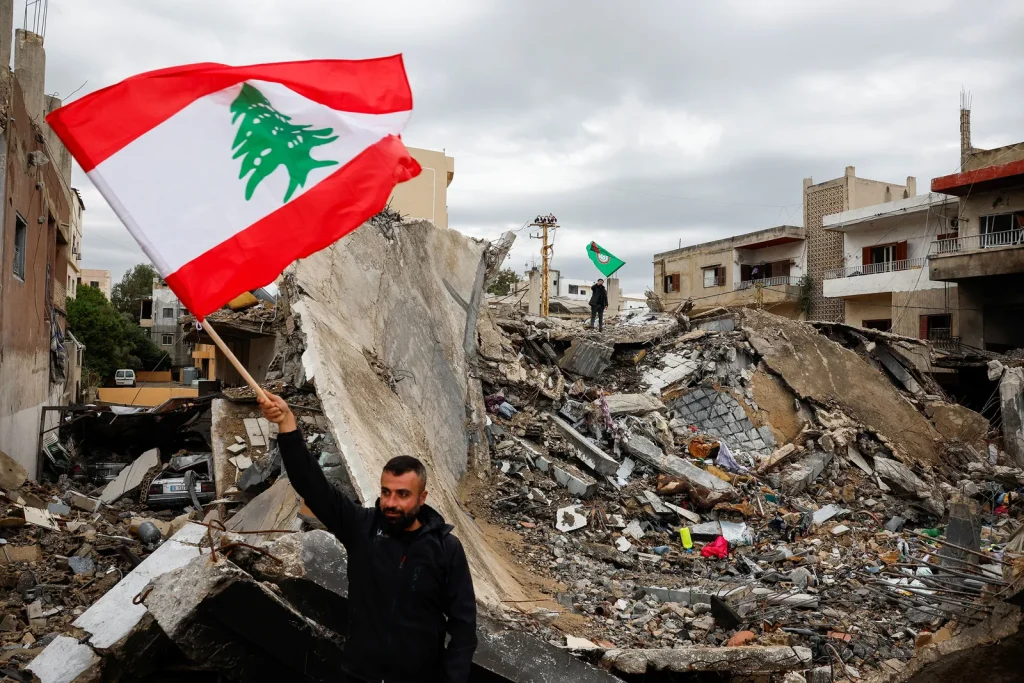
A ceasefire between Israel and Lebanon’s Hezbollah movement took effect on Friday after days of intense fighting, but renewed exchanges of fire and the postponement of planned US-Iran talks underscored the fragility of broader efforts to stabilise the region.
A senior US official confirmed that the truce came into force at 4 p.m. local time, forming part of a wider US-brokered framework intended to halt hostilities across multiple fronts and create conditions for renewed diplomacy with Iran.
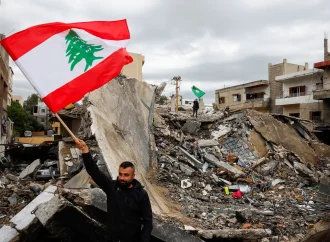
The ceasefire followed some of the deadliest fighting in recent weeks. Israeli strikes overnight killed at least 18 people in southern Lebanon, according to Lebanese authorities, while Israel said four of its soldiers were killed in combat operations.
Earlier on Friday, the Israeli military said it had struck around 80 Hezbollah-linked targets and killed dozens of militants.
Lebanon’s health ministry said more than 3,900 people had been killed and nearly 11,700 wounded since the latest phase of the conflict began, while roughly one million people remained displaced.
Israeli military spokesperson Brigadier General Effie Defrin said the army would honour the ceasefire but remained prepared to resume operations if necessary.
“The military is observing the ceasefire while maintaining readiness to respond to any violations,” he said.
Separately, planned talks between US and Iranian officials in Switzerland were postponed after Tehran declined to participate while fighting in Lebanon continued, according to officials familiar with the negotiations.
US Vice President J D Vance also cancelled a scheduled visit.
Iranian officials insisted that hostilities involving Hezbollah and Israel must cease before diplomatic discussions could proceed, the officials said.
The negotiations were expected to focus on Iran’s nuclear programme, a longstanding source of tension between Tehran and Washington.
Mediators are now attempting to reschedule the talks, which were intended to begin work on a broader settlement following a recently announced interim agreement between the two countries.
The framework agreement includes provisions aimed at preventing Iran from acquiring nuclear weapons, reopening the Strait of Hormuz to international shipping and establishing a reconstruction and economic development fund for Iran reportedly valued at $300 billion.
The accord also launched 60 days for negotiating a comprehensive settlement.
The United States said it had lifted naval restrictions around Iran following implementation of the agreement.
US Central Command said the measures were being removed in accordance with presidential directives, although American naval forces would remain deployed in the region.
Iran’s Supreme Leader Mojtaba Khamenei publicly endorsed the agreement, saying he approved the deal after receiving assurances that Iran’s national interests would be protected.
While criticising US pressure tactics, Khamenei said future negotiations would not amount to acceptance of Washington’s position.
Vance defended the agreement amid criticism from some US lawmakers, arguing that Iran would receive no lasting economic benefits unless it fulfilled commitments related to uranium enrichment and regional security.
Despite the ceasefire announcement, violence continued in parts of southern Lebanon.
Israel said four soldiers, including a lieutenant colonel, were killed during fighting near Nabatiyeh, prompting retaliatory strikes against what it described as Hezbollah infrastructure.
Hezbollah acknowledged attacking Israeli military positions, saying its actions were a response to Israeli operations it considered violations of the ceasefire.
Israeli Prime Minister Benjamin Netanyahu said Israel would respond forcefully to any attacks.
“Israel will not tolerate attacks on its soldiers or territory,” Netanyahu said.
The dispute also exposed differences between Washington and Jerusalem over implementation of the broader agreement.
A key unresolved issue is whether Israel will withdraw from areas of southern Lebanon occupied during the conflict.
Iran has demanded a full Israeli withdrawal, while Netanyahu has said Israeli forces will remain in a security zone for as long as national security considerations require.
Analysts say the coming weeks will determine whether the ceasefire evolves into a durable settlement or collapses under renewed military pressure, potentially jeopardising efforts to negotiate a wider agreement on Iran’s nuclear programme and regional security.