




Calls grow for similar ban in J&K
Kashmir Impulse Desk
Leh, June 19
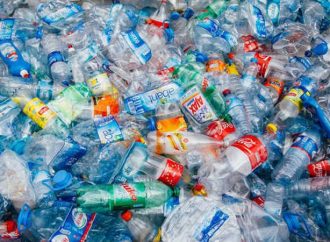
The Ladakh administration has imposed a sweeping ban on identified single-use plastic items and littering across the union territory, introducing stringent penalties and an expanded enforcement mechanism aimed at protecting the region’s fragile Himalayan environment from mounting ecological pressures.
Under the new framework approved by Lieutenant Governor Brig. (Retd.) B.D. Mishra, individuals, businesses, hotels, restaurants and other institutions found using, selling or distributing banned single-use plastic products will face an environmental penalty of 10,000 rupees. Littering in public places will attract a fine of 5,000 rupees.
Authorities also plan to conduct random inspections at Leh airport and key entry points into Ladakh to prevent the transportation and use of prohibited plastic products.
Announcing the decision, the administration said the measure represented a significant step toward preserving Ladakh’s environmentally sensitive landscape, which has come under increasing pressure from tourism growth, waste generation and the widespread use of disposable plastic products.
The ban covers a range of commonly used single-use plastic items, including disposable cutlery, cups, plates, straws, trays, plastic stirrers, thermocol decorative materials, plastic flags and certain categories of plastic packaging and banners.
Officials said the new policy goes beyond previous restrictions by creating a broader enforcement structure and empowering district-level authorities to monitor compliance and prosecute violations.
The authorised enforcement network includes sub-divisional magistrates, tehsildars, executive magistrates, officials of the Ladakh Pollution Control Committee, tourism department officers, municipal authorities, forest personnel and members of the Environment Protection Force.
Authorities have also authorised the use of electronic evidence, including photographs, videography and CCTV footage, in enforcement proceedings.
“Ladakh’s pristine environment and natural beauty are our greatest treasures,” the administration said in a statement. “Development and tourism growth must proceed alongside environmental responsibility and sustainability.”
Environmental experts have long warned that plastic pollution poses an outsized threat to Ladakh because of its high-altitude ecosystem, where waste decomposition occurs slowly and waste management infrastructure remains limited.
Single-use plastic waste has increasingly been reported near popular tourist destinations, wetlands, glaciers and trekking routes, raising concerns over contamination of water sources and wildlife habitats.
Plastic waste that enters streams and glacial systems can persist for decades, affecting water quality and ecological processes, environmental researchers say.
Ladakh’s decision triggered renewed calls on Friday for a comprehensive ban on plastic and polythene products in neighbouring Jammu and Kashmir.
Communist Party of India (Marxist) leader and legislator Mohammad Yusuf Tarigami welcomed the move and urged the Jammu and Kashmir administration to adopt similar measures.
“Banning single-use plastic is a crucial step because it remains in the environment for years and causes lasting ecological damage,” Tarigami said in a social media post.
The demand follows a recent meeting of the Jammu and Kashmir Assembly’s Environment Committee, chaired by Tarigami, which reviewed the growing impact of plastic pollution across the region.
The committee called for stricter implementation of regulations governing single-use plastics, particularly in ecologically sensitive areas and major tourist destinations.
Tarigami appealed to Chief Minister Omar Abdullah to consider issuing an executive order imposing a comprehensive ban on plastic products across the union territory.
Environmental activist Raja Muzaffar Bhat also backed the proposal, arguing that restrictions should extend beyond plastic carry bags to include packaging materials widely used in consumer goods.
According to official estimates, Jammu and Kashmir generates more than 51,000 tonnes of plastic waste annually. Government data indicate that more than 225,000 tonnes of plastic waste have been produced in the region over the past five years.
Environmentalists say discarded plastic has increasingly accumulated in rivers, forests, agricultural land and tourist destinations, including Dal Lake, Pahalgam, Gulmarg and Sonamarg.
The Jhelum River and its tributaries have also witnessed growing levels of plastic pollution, raising concerns about water quality and aquatic ecosystems.