





57-day yatra is scheduled to begin on July 3 and will proceed through the traditional Pahalgam route in south Kashmir and the shorter Baltal route in central Kashmir
Kashmir Impulse Desk
Srinagar, June 19
Indian Army has launched “Operation Shiva 2026” to strengthen security arrangements for the annual Amarnath Yatra, as authorities intensify preparations for one of India’s largest religious pilgrimages amid heightened security concerns in Jammu and Kashmir.
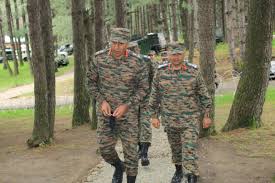
Senior military commanders reviewed operational readiness in Kashmir on Friday, with Lieutenant General Pratik Sharma, General Officer Commanding-in-Chief of Northern Command, visiting forward areas under Kilo Force and Baltal to assess security measures ahead of the pilgrimage.
According to the Army, Sharma was briefed on the prevailing security situation and the steps being taken to enhance vigilance and operational preparedness along the pilgrimage route.
The army commander, accompanied by Lieutenant General Balbir Singh, who heads the Srinagar-based Chinar Corps, interacted with field commanders and troops deployed in the region.
He emphasised the need for sustained vigilance, effective coordination and mission-oriented execution to address potential security challenges during the pilgrimage season, the Army said.
The review also focused on arrangements being put in place to provide a secure environment for pilgrims travelling to the Amarnath cave shrine.
In a statement, Northern Command reiterated the Army’s commitment to ensuring a safe and secure pilgrimage in coordination with civil administration, police and other security agencies.
The 57-day pilgrimage is scheduled to begin on July 3 and will proceed through the traditional Pahalgam route in south Kashmir and the shorter Baltal route in central Kashmir.
As part of enhanced security measures, authorities have declared the entire pilgrimage corridor a no-fly zone from July 1 until the conclusion of the yatra.
The restrictions cover both the Pahalgam and Baltal routes.
Officials said helicopter services for pilgrims would remain suspended during the pilgrimage period, requiring devotees to undertake the journey on foot or use pony and palki services.
The decision comes amid efforts to strengthen surveillance and minimise potential aerial threats along the route.
Separately, Railway Protection Force (RPF) Director General Sonali Mishra reviewed security arrangements at Jammu railway station, a major transit point for pilgrims arriving from different parts of the country.
Mishra said a multi-layered security grid involving the RPF, Government Railway Police, Jammu and Kashmir Police, Central Armed Police Forces and railway authorities had been established to ensure safe movement of passengers.
“We have reviewed all arrangements and are further strengthening the system,” she told reporters after the inspection.
She said additional personnel had been deployed and modern surveillance technologies and security equipment were being extensively used to monitor passenger movement.
The annual pilgrimage attracts hundreds of thousands of devotees from across India and remains one of the largest security operations undertaken in Jammu and Kashmir each year.
Authorities said all agencies were working in close coordination to ensure the smooth conduct of the yatra while maintaining robust security measures throughout the pilgrimage period.