




US President Donald Trump signed the accord during a visit to France, while Iranian President Masoud Pezeshkian signed a parallel copy in Tehran
Kashmir Impulse Desk
New Delhi, June 18
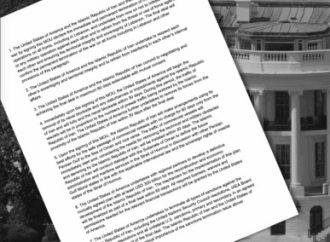
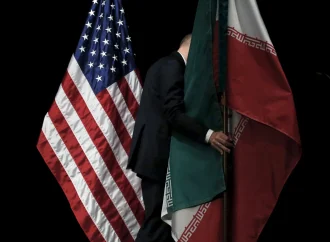
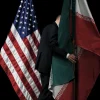
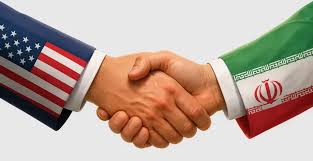
The United States and Iran signed an interim agreement on Wednesday aimed at ending months of conflict, reopening the Strait of Hormuz and launching a new round of negotiations over Tehran’s nuclear programme, marking the most significant diplomatic breakthrough between the two adversaries in years.
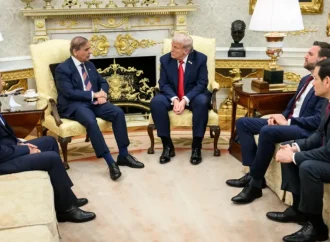
US President Donald Trump signed the accord during a visit to France, while Iranian President Masoud Pezeshkian signed a parallel copy in Tehran, according to officials from both countries.
The agreement takes immediate effect and establishes a 60-day negotiating period to reach a broader settlement covering Iran’s nuclear activities and regional security issues.
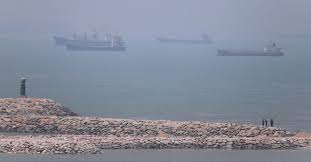
The deal calls for an immediate halt to hostilities and the restoration of commercial shipping through the Strait of Hormuz, one of the world’s most important energy corridors.
The waterway’s closure during the conflict disrupted global energy supplies and drove up oil prices, fuelling inflation across major economies.
Under the arrangement, Washington will move to ease restrictions on Iranian oil exports, allowing Tehran to return crude supplies to international markets. In exchange, Iran has agreed to engage in discussions over its stockpile of highly enriched uranium and future limits on its nuclear programme.
The agreement largely restores conditions that existed before the conflict erupted earlier this year.
However, several contentious issues remain unresolved, including the future of sanctions, Iran’s missile programme and regional security arrangements.
Trump described the accord as a “strong agreement” that creates a pathway to a broader settlement but warned that Washington could reconsider its position if negotiations fail.
Iranian officials welcomed the deal as a step towards economic recovery, particularly through the resumption of oil exports and access to international markets.
The accord is expected to face scrutiny from U.S. lawmakers and criticism from Israel, whose government has argued that any agreement with Tehran must impose permanent restrictions on its nuclear capabilities.
Diplomats said the next two months would be critical in determining whether the interim arrangement evolves into a comprehensive agreement capable of ending one of the Middle East’s most dangerous confrontations.