




Disruption of traffic during conflict contributed to higher energy costs, intensified inflationary pressures worldwide
Kashmir Impulse Desk
New Delhi, June 18
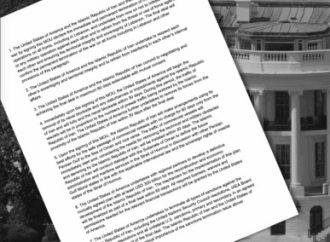
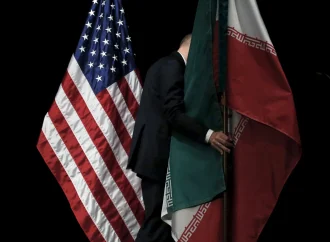
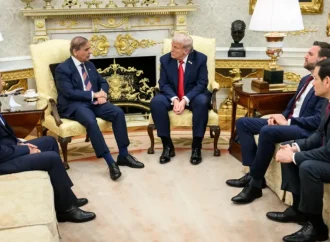
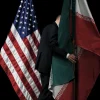
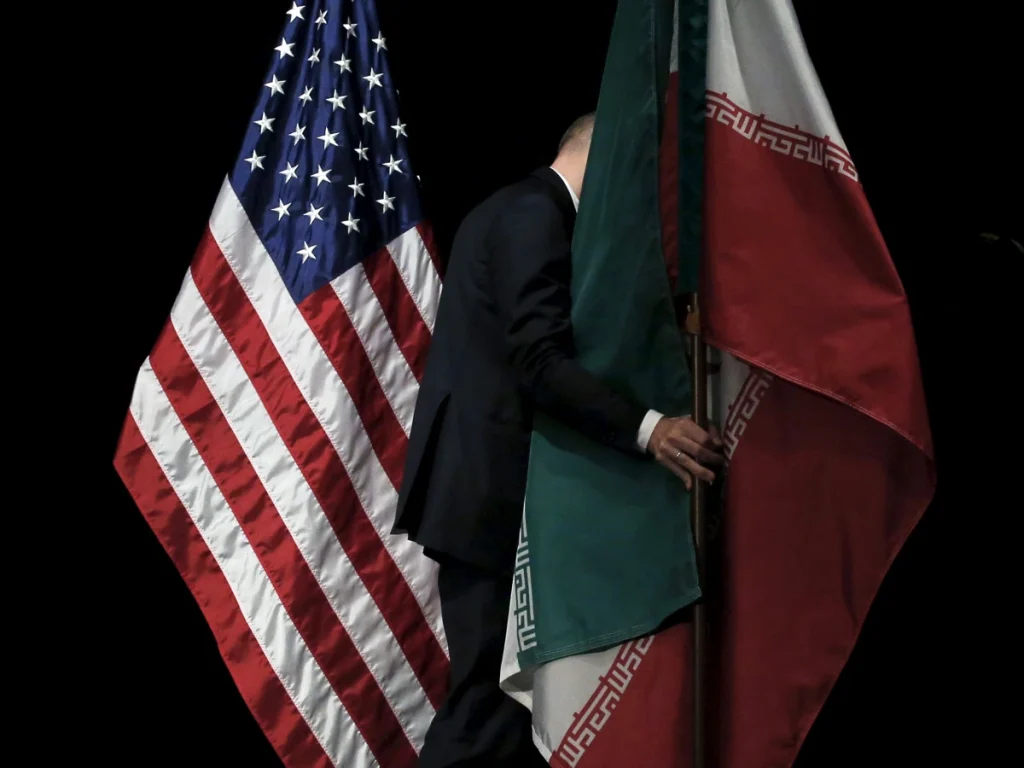
The interim agreement between the United States and Iran offers immediate economic relief to Tehran while reopening negotiations over its nuclear programme, creating both opportunities and risks for the two long-time rivals.
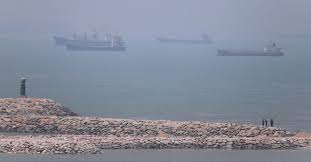
The most immediate impact will be the reopening of the Strait of Hormuz, through which roughly one-fifth of globally traded oil passes.
The disruption of traffic during the conflict contributed to higher energy costs and intensified inflationary pressures worldwide.
The deal also allows Iran to resume oil exports more freely, restoring a crucial source of revenue for an economy constrained by years of sanctions. Analysts estimate Iranian oil sales generated tens of billions of dollars annually even under restrictions, with China remaining its principal customer.
In return, Tehran has agreed to discuss the future of its enriched uranium stockpile and broader nuclear restrictions under international supervision.
However, the interim agreement leaves many details unresolved, including the extent of future limitations on enrichment activities.
The accord also raises the prospect of wider sanctions relief and access to frozen Iranian assets if negotiations succeed.
Officials have additionally discussed a reconstruction initiative that could channel substantial investment into Iran’s economy.
Notably absent from the framework are provisions dealing directly with Iran’s missile arsenal or its relationships with regional armed groups, issues that Washington previously cited among its primary objectives.
Another challenge concerns Lebanon, where tensions involving Hezbollah and Israel could threaten the fragile diplomatic process.
While the agreement calls for stability, neither side has committed to specific military withdrawals.
The outcome of the negotiations may ultimately depend on whether Washington can secure stricter and longer-lasting nuclear restrictions than those contained in the 2015 accord abandoned during Trump’s first term.