




If hundreds of people can be suspended mid-air in a malfunction, then rescue systems should already be designed around that possibility.
As Gulmarg’s Gondola scare left hundreds suspended between sky and snow, Bisma Rafiq argues that Kashmir’s next emergency demands preparedness – not prayers after the fact.
The malfunction of the Gulmarg Gondola that reportedly left more than 300 tourists stranded mid-air should serve as more than a temporary news alert. It must become a wake-up call.
For several anxious hours, visitors hung suspended above steep Himalayan slopes, hundreds of feet above the ground, uncertain when – or how – they would be brought down. Families waited helplessly. Children panicked. Operators scrambled. Rescue teams mobilised. And Kashmir held its breath.
That everyone was eventually brought to safety is deeply reassuring. But relief should not become an excuse for complacency. The fact that a disaster was averted does not mean the system worked flawlessly. It means tragedy was narrowly avoided.
And near misses in a place like Kashmir cannot be ignored.
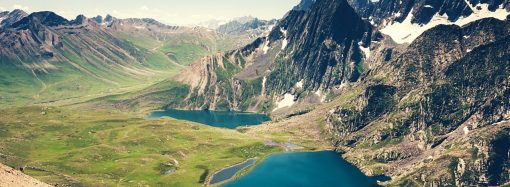
Kashmir’s geography is breathtaking. It is also unforgiving. Towering mountains, deep valleys, snowbound roads, landslide-prone terrain, avalanche zones, swollen rivers and fragile connectivity make the region uniquely vulnerable to emergencies. What begins as a technical fault, a sudden weather shift or an infrastructure breakdown can rapidly escalate into a life-threatening crisis.
This is why disaster response in Kashmir cannot remain reactive. It must become deeply institutional, modern and immediate.
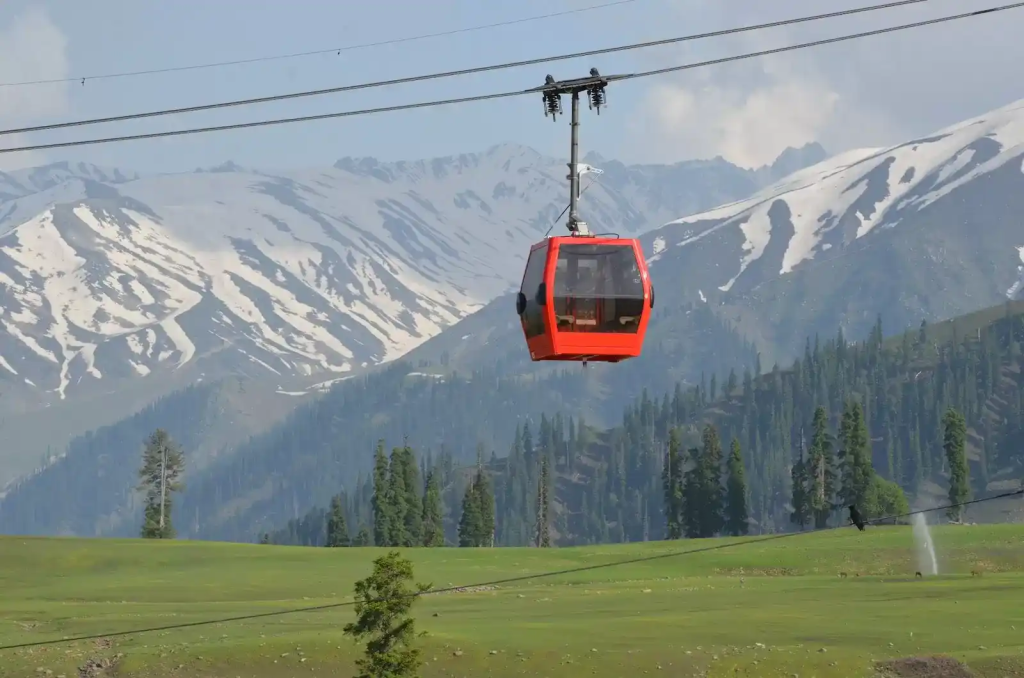
The Gulmarg Gondola is one of Kashmir’s biggest tourist attractions and among the highest cable car systems in the world. It draws thousands of visitors every season. Its importance is economic, symbolic and international. But with popularity comes responsibility. High-altitude infrastructure cannot rely only on maintenance schedules and operational hope. It requires emergency planning at the same scale as public usage.
If hundreds of people can be suspended mid-air in a malfunction, then rescue systems should already be designed around that possibility.
That means specialised rope-rescue teams stationed nearby. It means rapid aerial evacuation preparedness where terrain permits. It means trained emergency crews equipped specifically for cable evacuation, not assembled after a breakdown. It means clear communication systems that can immediately reassure stranded passengers and coordinate with ground responders. It means backup power redundancies, weather-triggered shutdown protocols, real-time technical monitoring and regular emergency simulation drills.
Preparedness is not panic. Preparedness is policy.
And Gulmarg is only one example.
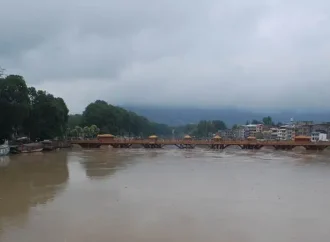
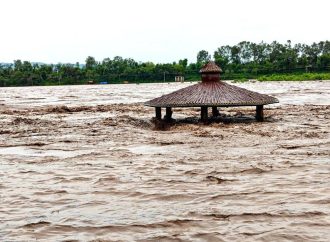
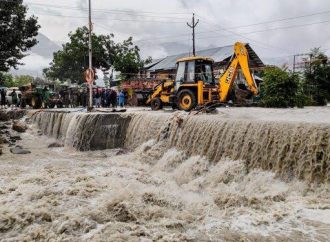
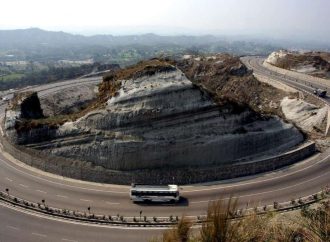
Kashmir has repeatedly witnessed emergencies that expose weaknesses in response systems – snowstorms that cut off roads, avalanches that trap workers and travellers, flash floods that inundate neighbourhoods, fires in dense urban areas, highway accidents in mountain passes, boat capsizes, medical emergencies in remote belts, and weather events that isolate entire communities. Each incident is followed by rescue efforts, official reviews and public discussion. Yet the larger structural question remains unresolved: are we building systems fast enough to match the risks?
The answer, too often, is no.
Disaster response in Kashmir still depends heavily on human improvisation and the courage of responders on the ground. Police personnel, SDRF teams, firefighters, local volunteers, ski patrols, army units, medical workers and residents frequently step in heroically. Their bravery deserves recognition.
But bravery cannot substitute infrastructure.
A modern disaster management system should not rely on extraordinary heroism to compensate for ordinary institutional gaps. Rescue workers should not be forced to “manage somehow” because equipment arrived late, access routes were unclear, communication networks failed, or specialised units were unavailable.
They need tools equal to the terrain.
This includes more mountain rescue stations in tourist zones, stronger coordination between tourism authorities and emergency agencies, faster deployment vehicles for snow and rugged terrain, helicopter-linked evacuation planning, better public warning systems, advanced surveillance for weather hazards, and wider training in technical rescue operations.
Technology can also transform emergency response. Sensors, drone surveillance, GIS mapping, avalanche detection systems, emergency broadcast alerts, digital tourist tracking in vulnerable zones, and live command-and-control networks can dramatically reduce response time. Around the world, mountainous tourist regions have integrated such systems into everyday safety planning. Kashmir should aim for no less.
There is also a larger economic argument.
Tourism is one of Kashmir’s lifelines. Gulmarg, Pahalgam, Sonamarg and other destinations draw lakhs of visitors each year and support thousands of livelihoods – from hoteliers and pony owners to guides, drivers and shopkeepers. But tourism depends on trust.
Visitors come not only for scenery, but for safety.
When tourists board a gondola, drive mountain roads or check into remote destinations, they assume emergency systems exist if something goes wrong. If that confidence weakens, the consequences reach far beyond one incident. Reputation suffers. Tourism suffers. Local livelihoods suffer.
Safety, therefore, is not separate from development. It is development.
Government agencies must now treat the Gulmarg incident as a policy warning—not merely a technical episode. A full review of emergency readiness at major tourist and high-risk sites is necessary. Response time audits, evacuation capability assessments, equipment reviews, training evaluations and independent safety inspections should follow. Lessons learned should not remain buried in internal reports. They should translate into visible reform.
But disaster readiness is not the government’s responsibility alone.
Hotels must strengthen evacuation planning. Gondola operators must maintain transparent safety protocols. Tourism businesses must train staff in emergency response. Local communities must be integrated into rescue networks. Visitors should receive basic safety information before entering vulnerable zones. Public awareness matters because informed people respond faster and panic less.
Disaster management begins long before disaster strikes.
The Gulmarg Gondola malfunction ended without loss of life. That is fortunate. But fortunate outcomes should not become a substitute for preparedness. Kashmir cannot wait for catastrophe to teach what warning already has.
The Himalayas are magnificent – but they demand respect. Infrastructure in the mountains carries risk by default. And where risk exists, readiness must be non-negotiable.
Because in emergencies above snow-covered valleys, on mountain roads, along riverbanks or beneath unstable slopes, rescue cannot wait.
And neither can reform.
About the Author
Bisma Rafiq is interested in human resources and wants to improve journalism from the human resources point of view. She is also a passionate story teller.






Leave a Comment
Your email address will not be published. Required fields are marked with *